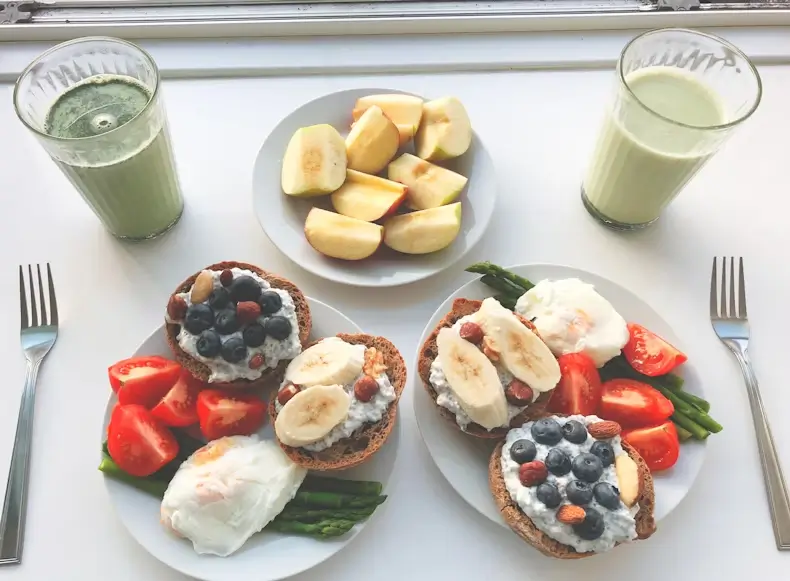
In today’s fast-moving world, wellness has evolved far beyond basic exercise routines and occasional healthy meals. People are looking for sustainable ways to improve physical health, mental clarity, emotional resilience, and overall quality of life. This shift has given rise to modern wellness practices approaches that combine scientific understanding, technology, mindfulness, and lifestyle habits to create a more balanced way of living.
Rather than focusing solely on avoiding illness, contemporary well-being emphasizes thriving in everyday life. From personalized fitness plans to digital mindfulness tools, individuals now have more opportunities than ever to support their health in meaningful ways.
Understanding Modern Wellness in Today’s Lifestyle
Wellness is no longer viewed as a destination. Instead, it is an ongoing process of making choices that support long-term health and happiness. Today’s approach recognizes that physical, mental, emotional, and social health are deeply connected.
For example, poor sleep can affect mood, productivity, and physical performance. Likewise, chronic stress may influence eating habits, energy levels, and overall health. Modern strategies address these interconnected factors rather than treating them separately.
This holistic perspective helps people create healthier routines that fit naturally into their daily lives.
The Rise of Mindful Living
One of the most significant trends in recent years is mindfulness. More people are intentionally slowing down to become aware of their thoughts, emotions, and surroundings.
Mindful living may include:
- Meditation sessions
- Deep breathing exercises
- Gratitude journaling
- Digital detox periods
- Intentional daily reflection
I personally noticed a significant improvement in focus and stress management after dedicating just ten minutes each morning to mindfulness exercises.
Research continues to suggest that mindfulness can support emotional well-being, improve concentration, and help individuals navigate everyday challenges more effectively.
Prioritizing Sleep as a Wellness Foundation
For many years, sleep was often sacrificed in pursuit of productivity. Today, experts increasingly recognize quality rest as one of the most powerful health tools available.
Modern sleep optimization strategies include:
- Maintaining consistent sleep schedules
- Limiting screen exposure before bedtime
- Creating relaxing nighttime routines
- Monitoring sleep patterns through wearable devices
- Reducing caffeine intake during late hours
When sleep improves, people often experience better mood regulation, stronger immune function, and enhanced cognitive performance.
Technology’s Role in Health and Well-Being
Technology has become a valuable companion in personal wellness journeys. While excessive screen time can present challenges, digital tools can also encourage healthier habits.
Popular wellness technologies include:
- Fitness trackers
- Smartwatches
- Meditation applications
- Nutrition tracking platforms
- Virtual fitness coaching
These tools provide real-time feedback, making it easier for individuals to monitor progress and stay motivated.
However, balance remains important. Technology should support wellness goals rather than become another source of stress.
Nutrition That Focuses on Sustainability
Modern nutrition has shifted away from extreme dieting and restrictive eating plans. Instead, the focus is increasingly on sustainable habits that can be maintained over time.
Key principles often include:
- Eating whole, minimally processed foods
- Increasing fruit and vegetable consumption
- Staying adequately hydrated
- Practicing mindful eating
- Building balanced meals
Rather than chasing short-term results, many people now prioritize consistency and nutritional quality.
Traditional Dieting vs Sustainable Nutrition
| Traditional Dieting | Sustainable Nutrition |
|---|---|
| Often restrictive | Flexible and realistic |
| Short-term focus | Long-term habits |
| Can feel difficult to maintain | Designed for sustainability |
| Emphasizes rules | Encourages informed choices |
| May lead to cycles of restriction | Promotes balanced eating |
This comparison highlights why many wellness experts advocate for gradual lifestyle improvements rather than drastic dietary changes.
Movement Beyond Traditional Exercise
Physical activity remains a core pillar of health, but modern approaches have expanded beyond traditional gym workouts.
People are increasingly exploring:
- Walking programs
- Yoga
- Pilates
- Mobility training
- Recreational sports
- Outdoor activities
The emphasis is shifting from punishment-based exercise toward enjoyable movement that supports both physical and mental health.
When people genuinely enjoy their activities, consistency becomes much easier to maintain.
Mental Health as a Central Wellness Priority
A major development in contemporary health culture is the growing recognition of mental well-being.
Previously, physical fitness often dominated health conversations. Today, emotional resilience, stress management, and psychological health are receiving equal attention.
Common practices include:
- Therapy and counseling
- Stress reduction techniques
- Mindfulness training
- Social connection
- Boundary setting
- Self-care routines
This broader perspective acknowledges that wellness is incomplete without mental and emotional balance.
Building Meaningful Social Connections
Human relationships play a powerful role in overall well-being. Strong social support networks can positively influence emotional health, motivation, and life satisfaction.
Modern wellness increasingly encourages:
- Spending quality time with family
- Maintaining friendships
- Participating in community activities
- Joining interest-based groups
- Engaging in supportive conversations
Even small social interactions can contribute to a greater sense of belonging and emotional stability.
The Everyday Benefits of a Balanced Wellness Routine
Consider Sarah, a busy marketing professional working long hours in a demanding environment. She often felt exhausted, struggled with concentration, and rarely exercised.
Instead of attempting a dramatic lifestyle overhaul, she implemented small changes:
- A 20-minute morning walk
- Five minutes of daily meditation
- Consistent bedtime scheduling
- Better hydration habits
- Reduced social media usage before sleep
After several months, Sarah reported improved energy levels, better focus at work, and a greater sense of balance. Her experience demonstrates how incremental improvements can create meaningful results over time.
Personalization Is Shaping the Future of Wellness
One of the most exciting developments is the movement toward personalized well-being strategies.
People respond differently to exercise routines, dietary approaches, stress management techniques, and recovery methods. As a result, many individuals are moving away from one-size-fits-all solutions.
Personalized wellness may involve:
- Individual fitness goals
- Customized nutrition plans
- Tailored sleep strategies
- Mental health support based on personal needs
- Lifestyle adjustments that align with work and family commitments
This individualized approach often leads to greater adherence and long-term success.
Creating a Wellness Routine That Lasts
Many people fail because they attempt to change everything at once. Sustainable progress typically comes from small, consistent actions.
To build an effective routine:
- Start with one manageable habit.
- Track progress without obsessing over perfection.
- Focus on consistency rather than intensity.
- Adjust strategies when circumstances change.
- Celebrate small wins along the journey.
Over time, these seemingly minor actions can produce substantial improvements in overall health and well-being.
Related: Lifestyle Habits of Successful People: Daily Practices That Lead to Long-Term Success
Conclusion
Modern wellness practices represent a more balanced and realistic approach to health. Instead of focusing solely on appearance or short-term goals, they emphasize sustainable habits that support physical vitality, mental clarity, emotional resilience, and meaningful relationships.
Whether through mindfulness, improved sleep, balanced nutrition, enjoyable movement, or stronger social connections, today’s wellness strategies encourage long-term growth rather than quick fixes. By adopting gradual and personalized changes, individuals can create healthier lifestyles that remain effective for years to come.
FAQs
What are modern wellness practices?
Modern wellness practices are contemporary approaches to health that integrate physical fitness, mental well-being, nutrition, sleep optimization, mindfulness, and lifestyle management to improve overall quality of life.
Why is mindfulness important for wellness?
Mindfulness helps individuals become more aware of their thoughts and emotions, which can support stress management, focus, emotional balance, and overall mental well-being.
How does technology support wellness?
Technology supports wellness through fitness trackers, health-monitoring devices, meditation applications, nutrition platforms, and personalized coaching tools that encourage healthy habits and accountability.
What is the most important pillar of wellness?
There is no single most important pillar. Physical health, mental well-being, quality sleep, nutrition, movement, and social connections all work together to support overall wellness.
How can beginners start improving their wellness?
Beginners can start by focusing on simple habits such as daily walking, drinking more water, maintaining a regular sleep schedule, practicing mindfulness, and eating more whole foods.
Are wellness practices effective for busy professionals?
Yes. Many wellness habits can be integrated into busy schedules through small daily actions, such as short walks, brief meditation sessions, improved sleep routines, and mindful eating practices.