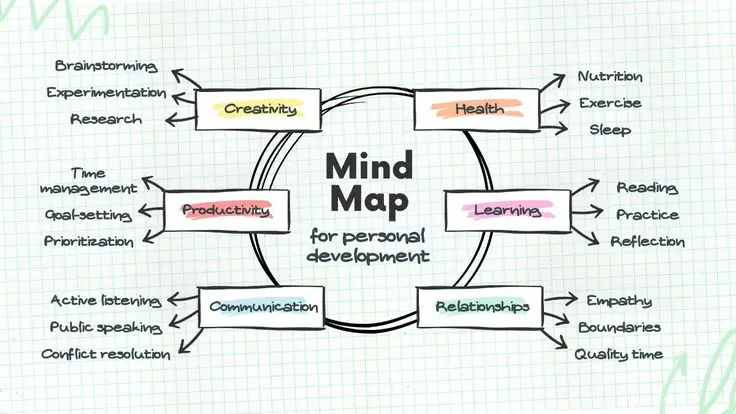
Modern careers often demand long hours, constant communication, and endless deadlines. For many professionals, maintaining personal well-being can feel like an impossible challenge. Between meetings, emails, commuting, and family responsibilities, health frequently takes a back seat. However, living well does not require hours at the gym or complicated meal plans. Small, intentional habits can create a significant impact over time.
Healthy living for busy professionals is about working smarter, not harder. It involves making sustainable choices that fit naturally into a demanding schedule while supporting physical, mental, and emotional well-being.
Why Health Often Gets Neglected in Busy Careers
Many professionals start their careers with enthusiasm and energy. Over time, increasing responsibilities can lead to skipped meals, reduced physical activity, poor sleep, and chronic stress. The issue is rarely a lack of awareness. Most people know what healthy habits look like. The challenge lies in integrating them into a packed calendar.
A demanding work environment can create a cycle where productivity is prioritized at the expense of health. Ironically, this often leads to reduced performance, lower energy levels, and increased burnout.
The reality is simple: taking care of your body and mind is not a distraction from professional success—it supports it.
Start with Better Time Management
One of the biggest misconceptions about wellness is that it requires extra time. In reality, it often requires better use of existing time.
Instead of trying to overhaul your entire routine, identify small opportunities throughout the day. A ten-minute walk during lunch, stretching between meetings, or preparing meals in advance can significantly improve overall health.
I once started taking a short walk after lunch during particularly demanding workdays, and the improvement in my afternoon focus was surprisingly noticeable.
Consistency matters far more than perfection. Small actions repeated daily often produce better results than ambitious plans that quickly become unsustainable.
Prioritize Quality Sleep
Sleep is one of the most overlooked aspects of professional well-being. Many people sacrifice rest to complete projects or meet deadlines, assuming they can recover later.
Unfortunately, sleep deprivation affects concentration, decision-making, memory, and emotional regulation. It can also increase the risk of various health issues over time.
To improve sleep quality:
- Maintain a consistent bedtime schedule.
- Reduce screen exposure before sleeping.
- Limit caffeine late in the day.
- Keep the bedroom cool and comfortable.
- Create a relaxing nighttime routine.
Even an additional 30 to 60 minutes of quality sleep can positively influence daily performance and energy levels.
Make Nutrition Simpler, Not Harder
Healthy eating often becomes challenging when schedules become hectic. Fast food, vending machine snacks, and convenience meals may seem like practical solutions, but relying on them regularly can affect energy and long-term health.
Instead of following restrictive diets, focus on balanced choices:
- Include protein with every meal.
- Add fruits and vegetables whenever possible.
- Stay hydrated throughout the day.
- Keep healthy snacks nearby.
- Prepare meals in batches during free time.
A Simple Comparison
| Habit | Common Busy-Day Choice | Better Alternative |
|---|---|---|
| Breakfast | Skipping the meal | Greek yogurt with fruit |
| Lunch | Fast food combo | Prepared balanced meal |
| Snacks | Sugary treats | Nuts, fruit, or protein snacks |
| Hydration | Multiple soft drinks | Water or unsweetened beverages |
| Evening Meal | Heavy late-night eating | Balanced dinner with vegetables |
These small adjustments help maintain stable energy levels without requiring major lifestyle changes.
Incorporate Movement Throughout the Day
Many professionals spend hours sitting at desks, attending meetings, or working on computers. Extended inactivity can contribute to fatigue, stiffness, and other health concerns.
The good news is that exercise does not always require a dedicated hour-long workout.
Consider:
- Taking stairs instead of elevators.
- Walking during phone calls.
- Performing quick stretching sessions.
- Parking farther from entrances.
- Scheduling short activity breaks.
Accumulated movement throughout the day can provide meaningful health benefits while fitting comfortably into a busy schedule.
Manage Stress Before It Manages You
Stress is a normal part of professional life. Problems arise when stress becomes constant and unmanaged.
High stress levels can affect sleep, eating habits, relationships, and workplace performance. Learning to manage pressure effectively is essential for long-term well-being.
Helpful strategies include:
- Deep breathing exercises.
- Short mindfulness sessions.
- Journaling thoughts and priorities.
- Taking regular breaks.
- Setting realistic expectations.
The goal is not to eliminate stress completely. Instead, focus on developing healthy responses when challenges arise.
Healthy Habits in Action: A Professional Case Study
Consider Sarah, a marketing manager responsible for multiple campaigns and a growing team. Her workdays often stretched beyond ten hours, leaving little time for self-care. She frequently skipped breakfast, relied on coffee for energy, and struggled with fatigue.
Rather than attempting a complete lifestyle transformation, Sarah made three simple changes. She prepared lunches on Sundays, scheduled two ten-minute walks during workdays, and committed to a consistent bedtime.
Within several weeks, she reported improved energy, better concentration, and reduced stress levels. Her workload remained demanding, but her ability to manage it improved significantly.
This example demonstrates that sustainable habits often outperform drastic short-term solutions.
Protect Your Mental Well-Being
Professional success and mental wellness are deeply connected. Constant pressure, digital overload, and unrealistic expectations can gradually impact emotional health.
Protecting mental well-being involves creating boundaries and allowing time for recovery.
Consider these practices:
- Disconnect from work notifications after hours when possible.
- Schedule personal time intentionally.
- Stay connected with supportive friends and family.
- Pursue hobbies outside of work.
- Seek professional support if stress becomes overwhelming.
Mental wellness should be viewed as an essential component of overall health rather than an optional luxury.
Build Habits That Fit Your Lifestyle
One reason many health plans fail is that they are difficult to maintain. Sustainable habits are built around real life rather than ideal circumstances.
Ask yourself:
- What healthy action can I realistically maintain every day?
- Which habit would have the biggest positive impact?
- How can I make healthy choices more convenient?
Small wins create momentum. Over time, these incremental improvements compound into meaningful results.
A professional who consistently sleeps well, eats balanced meals, manages stress, and stays active will often outperform someone who relies solely on long work hours.
Related: Lifestyle Habits of Successful People: Daily Practices That Lead to Long-Term Success
Conclusion
Healthy living for busy professionals is not about achieving perfection. It is about making practical choices that support long-term well-being while respecting the realities of a demanding career.
By prioritising sleep, simplifying nutrition, incorporating movement, managing stress, and protecting mental health, professionals can improve both personal wellness and workplace performance. The most effective approach is not the most extreme one it is the one that can be maintained consistently over time.
Small daily actions may seem insignificant in the moment, but their cumulative effect can transform energy levels, productivity, and overall quality of life.
FAQs
How can busy professionals stay healthy without spending hours exercising?
Short periods of physical activity throughout the day can be highly effective. Walking, stretching, taking stairs, and brief workouts can provide significant benefits when performed consistently.
What is the most important healthy habit for working professionals?
While all wellness habits matter, quality sleep often provides the greatest overall impact because it influences energy, focus, mood, and physical health.
How can professionals eat healthier during busy workweeks?
Meal preparation, healthy snacks, hydration, and balanced food choices can make healthy eating more manageable without requiring extensive time commitments.
Does stress always harm productivity?
Short-term stress can sometimes improve focus, but chronic stress typically reduces productivity, decision-making ability, and overall well-being.
Can small lifestyle changes really make a difference?
Yes. Consistent small habits often create greater long-term results than dramatic changes that are difficult to maintain.