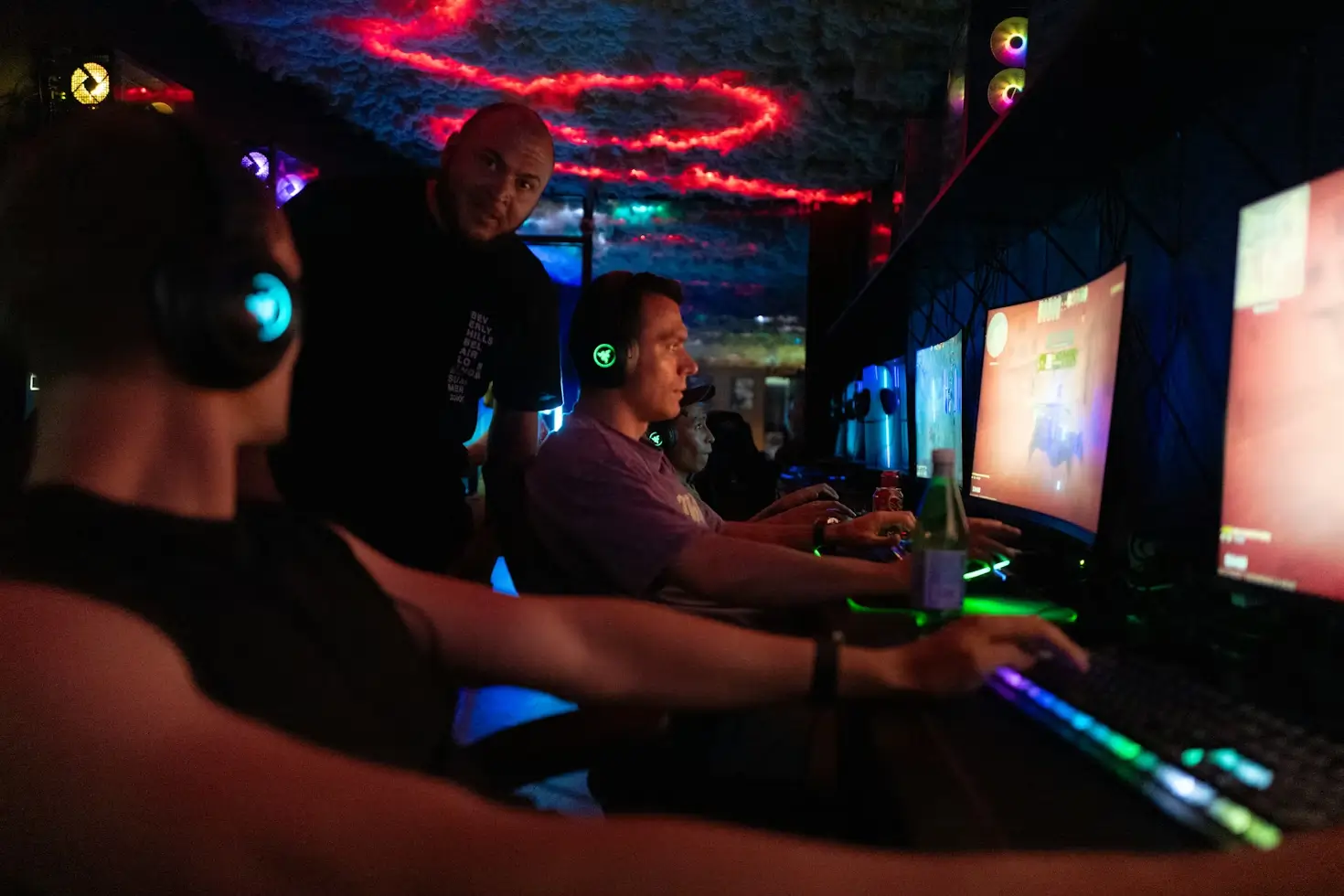
Gaming has evolved dramatically over the past two decades. What was once a solitary hobby has transformed into a global social experience where millions of players connect, compete, and collaborate in real time. From casual mobile games to highly competitive online tournaments, multiplayer gaming has become one of the most influential forms of digital entertainment.
While many people view online gaming simply as a fun pastime, its impact extends far beyond recreation. The benefits of multiplayer gaming include improved communication, stronger teamwork skills, enhanced problem-solving abilities, and meaningful social connections. When approached responsibly, these interactive experiences can contribute positively to both personal development and social engagement.
Understanding the Rise of Multiplayer Gaming
The popularity of online multiplayer games continues to grow because they offer something traditional single-player experiences cannot: real-time interaction with other people.
Players can join friends, meet new teammates, participate in cooperative missions, or compete against opponents from different parts of the world. This dynamic environment creates unique experiences that constantly evolve based on player actions and interactions.
Unlike static forms of entertainment, multiplayer titles challenge individuals to adapt, communicate, and make decisions in ever-changing situations.
Building Strong Communication Skills
One of the most significant advantages of online cooperative gaming is the development of communication abilities.
Whether coordinating strategies, sharing information, or responding to unexpected challenges, players must communicate effectively to achieve common goals. Team-based games often require clear instructions, active listening, and quick responses under pressure.
These skills can translate into real-world situations, including workplace collaboration, academic projects, and everyday social interactions.
In many multiplayer environments, success depends less on individual talent and more on how effectively a team communicates.
Encouraging Teamwork and Cooperation
Many online games are specifically designed around teamwork. Players often assume different roles, each contributing unique strengths to achieve shared objectives.
This naturally teaches participants how to:
- Collaborate toward common goals
- Support teammates during challenges
- Understand different perspectives
- Develop trust within a group
- Balance leadership and cooperation
These experiences mirror real-life situations where collaboration is essential for success.
Professionals, students, and community members can all benefit from learning how to work effectively within a team environment.
Improving Strategic Thinking
Multiplayer games frequently present complex situations that require careful planning and decision-making.
Players must analyze information, anticipate opponents’ actions, allocate resources, and adapt strategies in real time. These mental exercises encourage critical thinking and problem-solving.
Instead of simply reacting, successful players learn to think several steps ahead.
Over time, this strategic mindset can strengthen cognitive flexibility and improve decision-making skills in various aspects of life.
Developing Faster Decision-Making Skills
Online matches often move quickly. Players may have only seconds to assess situations and choose the best course of action.
This constant need for rapid evaluation encourages:
- Faster information processing
- Improved situational awareness
- Better risk assessment
- Enhanced adaptability
These skills can be particularly useful in professional environments where individuals frequently make decisions under time constraints.
The ability to remain calm and focused during pressure-filled moments is a valuable skill that extends beyond gaming.
Creating Meaningful Social Connections
One of the most overlooked benefits of multiplayer gaming is its ability to foster genuine relationships.
Many players develop long-term friendships through shared gaming experiences. Some communities remain active for years, creating supportive networks that extend beyond the virtual world.
People with common interests often find it easier to connect through gaming because they already share a mutual activity and common goals.
I personally noticed that joining online gaming sessions introduced me to people from different backgrounds whom I would never have met otherwise.
These interactions can broaden perspectives and create opportunities for cultural exchange.
Comparing Single-Player and Multiplayer Experiences
The strengths of multiplayer gaming become even clearer when compared with traditional solo gaming experiences.
| Feature | Single-Player Gaming | Multiplayer Gaming |
|---|---|---|
| Social Interaction | Limited | Extensive |
| Teamwork Development | Minimal | High |
| Communication Skills | Rarely Required | Frequently Required |
| Strategic Collaboration | Individual Focus | Group Focus |
| Community Engagement | Lower | Stronger |
| Adaptability Challenges | Moderate | High |
Both styles offer valuable experiences, but multiplayer environments provide additional opportunities for social and collaborative growth.
When Gaming Skills Translate Beyond the Screen
Consider a group of university students participating in an online team-based strategy game several evenings each week.
Initially, their communication was disorganized. Players frequently misunderstood objectives, resulting in poor performance. Over time, they developed structured communication methods, assigned specific responsibilities, and learned how to coordinate effectively.
Several months later, many of these same students reported applying similar collaboration techniques during group assignments and presentations.
The gaming environment provided a practical space for developing teamwork skills that later benefited them academically.
This example highlights how interactive digital experiences can reinforce valuable real-world abilities.
Strengthening Leadership Qualities
Leadership naturally emerges in many multiplayer environments.
Some players take responsibility for organizing strategies, motivating teammates, and making critical decisions during challenging situations.
These experiences help individuals develop:
- Confidence
- Responsibility
- Decision-making abilities
- Conflict resolution skills
- Organizational thinking
Not everyone starts as a leader, but multiplayer environments often create opportunities to gradually build leadership experience through practice.
Supporting Mental Engagement
Interactive online games require active participation rather than passive consumption.
Players must remain attentive, respond to changing circumstances, and continuously evaluate new information. This level of engagement helps keep the mind active and challenged.
Many multiplayer experiences involve puzzles, resource management, strategic planning, and coordination tasks that encourage ongoing mental stimulation.
When balanced with healthy habits and appropriate time management, gaming can serve as an enjoyable way to exercise cognitive skills.
Learning Adaptability in Dynamic Environments
One characteristic shared by most multiplayer games is unpredictability.
Human opponents and teammates behave differently than computer-controlled characters. As a result, players must constantly adjust strategies and expectations.
This ability to adapt quickly can be valuable in everyday life, where circumstances often change unexpectedly.
Individuals who regularly practice flexibility and problem-solving may become more comfortable navigating uncertainty in both personal and professional situations.
Promoting Global Interaction
Modern multiplayer platforms connect people from virtually every corner of the world.
Players often interact with individuals who speak different languages, come from different cultures, and possess unique perspectives.
These interactions can encourage greater understanding, tolerance, and appreciation for diversity.
In an increasingly interconnected world, opportunities for global communication can provide valuable social and cultural experiences.
Related: Social Impact of Online Multiplayer Games
Conclusion
The benefits of multiplayer gaming extend far beyond simple entertainment. From improving communication and teamwork to enhancing strategic thinking and leadership skills, online collaborative experiences offer numerous opportunities for personal growth.
While moderation remains important, multiplayer games can serve as valuable tools for developing practical skills, building meaningful relationships, and engaging in challenging mental activities. The combination of social interaction, problem-solving, and cooperation makes this form of entertainment uniquely positioned to provide both enjoyment and personal development.
As technology continues to evolve, the role of online gaming communities will likely become even more significant, creating new opportunities for connection, learning, and collaboration across the globe.
FAQs
What are the main benefits of multiplayer gaming?
The primary advantages include improved communication, teamwork, strategic thinking, decision-making, leadership development, and social interaction.
Can multiplayer games improve communication skills?
Yes. Many team-based games require players to exchange information, coordinate actions, and work together toward shared goals, which can strengthen communication abilities.
Is online gaming beneficial for social development?
When approached responsibly, online gaming can help players build friendships, interact with diverse communities, and develop valuable social skills.
How does multiplayer gaming help with problem-solving?
Players frequently encounter complex challenges that require strategic planning, adaptability, and critical thinking to overcome.
Are multiplayer games better than single-player games?
Both offer unique benefits. Single-player games often focus on individual experiences, while multiplayer games provide additional opportunities for collaboration, communication, and social engagement.