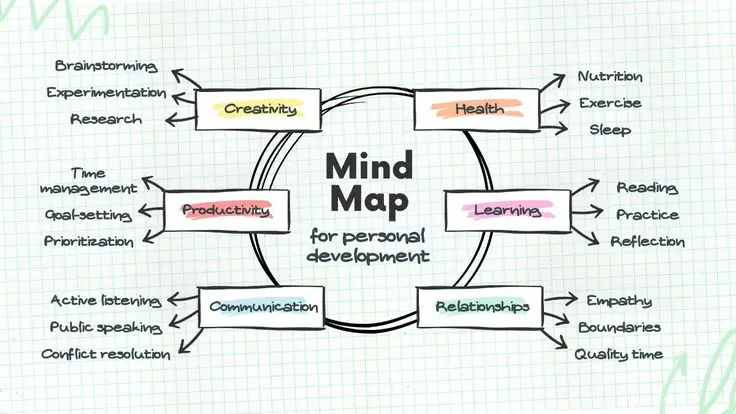
There’s a quiet moment many people experience often late at night or early in the morning when they realise they want more from life. Not just success in the traditional sense, but clarity, purpose, and a sense of progress. That’s where a personal growth lifestyle road map comes in. Not as a rigid plan, but as a flexible direction that helps you evolve without feeling overwhelmed.
The idea isn’t to become a completely different person overnight. It’s about small, intentional changes that gradually reshape how you think, act, and live.
Why Most People Struggle With Personal Growth
Before building a better life, it’s important to understand what usually gets in the way.
Many people start with motivation but lose consistency. Others set unrealistic goals and burn out quickly. Some consume endless self-help content but never actually apply it.
Growth doesn’t fail because of lack of effort it fails because of lack of structure.
A clear path solves that problem.
Step 1: Define What Growth Means to You
Personal development isn’t one-size-fits-all. For some, it’s about financial stability. For others, it’s mental peace, better relationships, or physical health.
Ask yourself:
- What kind of life do I actually want?
- What habits are holding me back?
- What does “better” look like for me?
Without clarity, you’ll keep moving but in circles.
Step 2: Focus on Identity, Not Just Goals
Most people chase goals like losing weight, earning more money, or waking up early. But lasting change happens when you shift your identity.
Instead of saying:
- “I want to read more,”
Say: “I am someone who reads daily.”
This subtle change rewires your behavior. You stop relying on motivation and start acting from identity.
Step 3: Build Small, Non-Negotiable Habits
Big transformations are built on small actions repeated consistently.
Start with habits so simple they feel almost too easy:
- 10 minutes of reading
- 5 minutes of reflection
- A short daily walk
These may seem insignificant, but over time, they compound into massive change.
I personally noticed that committing to just 10 minutes of daily journaling helped me become more self-aware than any complex system I had tried before.
Step 4: Design Your Environment for Success
Your surroundings shape your behavior more than your willpower does.
If your phone is always in your hand, distractions win. If your workspace is cluttered, focus suffers. If you’re surrounded by negativity, your mindset absorbs it.
Make small changes:
- Keep your phone away during focused work
- Organize your space
- Surround yourself with positive influences
When your environment supports your goals, growth feels natural instead of forced.
Step 5: Learn to Manage Energy, Not Just Time
Time management is important, but energy management is essential.
You might have 24 hours like everyone else, but your energy levels determine how effectively you use them.
Pay attention to:
- When you feel most productive
- What drains your energy
- What recharges you
Structure your day around your natural rhythm instead of fighting against it.
A Simple Comparison: Growth-Oriented vs Stagnant Lifestyle
| Aspect | Growth-Oriented Lifestyle | Stagnant Lifestyle |
|---|---|---|
| Mindset | Open to learning and change | Fixed and resistant |
| Habits | Small, consistent improvements | Random, inconsistent actions |
| Focus | Long-term progress | Short-term comfort |
| Environment | Supportive and intentional | Distracting and unstructured |
| Daily Direction | Clear priorities | Reactive and unfocused |
This contrast highlights how daily choices quietly shape long-term outcomes.
Applying a Personal Growth Roadmap in Everyday Life
Consider two individuals with similar backgrounds and opportunities.
One spends hours consuming content, thinking about change but rarely acting. The other starts small waking up slightly earlier, reading a few pages daily, and reflecting on their actions.
After six months, the difference becomes obvious. One feels stuck, while the other sees clear progress.
The gap isn’t intelligence or talent it’s consistent action guided by direction.
Step 6: Embrace Discomfort as a Signal of Growth
Growth rarely feels comfortable. In fact, discomfort is often a sign that you’re moving in the right direction.
Whether it’s trying something new, facing fear, or breaking old habits, the process can feel awkward and challenging.
Instead of avoiding discomfort, learn to interpret it as progress.
Step 7: Reflect and Adjust Regularly
A road map isn’t something you follow blindly it’s something you refine.
Take time weekly or monthly to reflect:
- What’s working?
- What isn’t?
- What needs to change?
This keeps you aligned and prevents you from drifting off track.
The Quiet Power of Consistency
There’s a misconception that growth comes from big, dramatic changes. In reality, it’s the quiet, consistent actions that create lasting results.
Reading a few pages daily may not feel life-changing but over a year, it can reshape your thinking. Improving 1% every day might seem slow but it leads to exponential growth over time.
The key is to keep going, even when progress feels invisible.
A More Sustainable Way to Grow
Instead of constantly chasing the next big improvement, focus on building a lifestyle that supports steady progress.
Less pressure. More intention.
Less comparison. More self-awareness.
When growth becomes part of your daily life rather than a temporary phase, it stops feeling like a struggle and starts feeling natural.
Conclusion
A personal growth lifestyle road map isn’t about perfection it’s about direction. It’s about knowing where you’re going, taking small steps consistently, and adjusting along the way.
You don’t need to have everything figured out. You just need to start.
Because in the end, the person you become is shaped not by what you plan occasionally, but by what you do daily.
Related: Healthy Morning Routine Secrets: Start Your Day With Purpose and Energy
FAQs
What is a personal growth lifestyle road map?
It’s a structured yet flexible approach to improving different areas of your life through consistent habits, mindset shifts, and intentional actions.
How long does personal growth take?
Personal growth is a continuous process. You may see small changes in weeks, but meaningful transformation takes months or even years.
How can I stay consistent with self-improvement?
Start small, build simple habits, and focus on consistency rather than perfection.
Can anyone follow a growth road map?
Yes. It can be adapted to fit any lifestyle, goals, or starting point.
What is the most important part of personal growth?
Consistency. Small actions repeated daily have the biggest long-term impact.