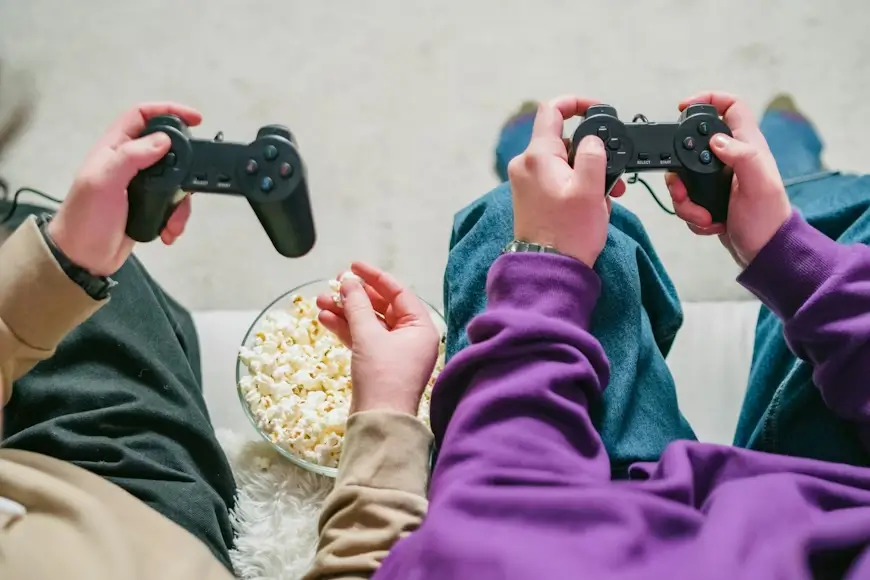
Online multiplayer games have become one of the most influential forms of digital interaction in the modern world. From casual mobile games to large scale competitive esports titles, millions of players log in daily to connect, compete, and collaborate with others across the globe.
What began as simple entertainment has evolved into a powerful social platform that shapes communication styles, relationships, and even cultural identities. The social impact of online multiplayer games is complex, offering both positive opportunities for connection and challenges related to behaviour, balance, and well-being. Understanding these impacts is essential as online gaming continues to grow and integrate into everyday life.
How Multiplayer Games Create Social Connections
At their core, online multiplayer games are built around interaction. Players must communicate, coordinate strategies, and work together to achieve shared goals. Voice chat, text messaging, and in-game signaling systems allow real-time collaboration, making players feel part of a team rather than isolated individuals.
These games often connect people who might never meet otherwise. Players from different countries, cultures, and backgrounds interact regularly, forming friendships based on shared interests rather than geography. Over time, repeated interactions create trust, familiarity, and social bonds. For many players, especially those who struggle with traditional social settings, online multiplayer games provide a comfortable environment to express themselves and build confidence in social communication.
Positive Social Benefits
Improved Communication and Teamwork
Multiplayer games encourage players to develop strong communication skills. Team based games require clear instructions, quick decision-making, and cooperative problem-solving. These skills can translate into real-life benefits, such as better collaboration in school, work, or group activities.
Sense of Belonging and Community
Online gaming communities offer players a sense of belonging. Guilds, clans, and teams create shared identities where players feel valued and supported. For individuals who feel isolated in their offline lives, these communities can provide emotional support and companionship.
Cultural Exchange and Inclusivity
Multiplayer games bring together diverse populations, promoting cultural exchange and global awareness. Players learn to interact with people from different backgrounds, often breaking stereotypes and developing greater empathy. Many games also promote inclusive by allowing players to customise identities and express themselves freely.
Negative Social Impacts
Toxic Behaviour and Harassment
One of the most discussed negative impacts of online multiplayer games is toxic behaviour. Anonymity can sometimes encourage harassment, bullying, and abusive language. Such experiences can negatively affect players’ mental health and discourage participation, especially among younger or marginalise players.
Social Isolation and Over dependence
While multiplayer games can foster connections, excessive gaming may reduce face-to-face interactions. Some players may prioritize online relationships over real-world responsibilities, leading to social withdrawal and imbalance in daily life.
Addiction and Lifestyle Disruption
Highly engaging game designs can lead to excessive play, affecting sleep, academic performance, work productivity, and personal relationships. When gaming replaces other social and physical activities, it can harm overall well-being.
Impacts on Different Age Groups
Children and Teenagers
For younger players, multiplayer games can support social skill development, teamwork, and creativity. However, they are also more vulnerable to negative influences such as online toxicity, peer pressure, and excessive screen time. Parental guidance and balanced play are crucial for healthy engagement.
Young Adults
Young adults often use online games as a primary social outlet, especially in busy or remote lifestyles. Games provide stress relief and social connection, but maintaining balance with work, relationships, and physical health remains important.
Older Adults
For older players, multiplayer games can reduce loneliness and support cognitive engagement. Many use games to stay socially active, proving that gaming is not limited to younger generations.
Community Dynamics Beyond the Game
The social impact of multiplayer games extends beyond gameplay itself. Many communities exist on social media platforms, forums, streaming services, and messaging apps. Players share strategies, discuss updates, and support each other outside the game environment.
These extended communities often include mentorship, where experienced players guide newcomers. In some cases, online friendships develop into real-world meetups, professional collaborations, or long-term relationships. Gaming communities can also mobilise for charity events and social causes, demonstrating their potential for positive societal influence.
Industry & Design Responses
Game developers and industry leaders are increasingly aware of the social responsibilities tied to multiplayer environments. Many companies now implement moderation tools, reporting systems, and behavior guidelines to reduce toxicity. Artificial intelligence is being used to detect abusive language and enforce community standards more effectively.
Design choices also influence social outcomes. Games that reward cooperation over aggression tend to foster more positive interactions. Educational prompts, community events, and inclusive character representation further support healthier social environments within games.
Balancing Benefits & Risks
The social impact of online multiplayer games is not inherently good or bad it depends on how they are used. Balanced gaming habits, awareness of risks, and supportive community design can maximise benefits while minimising harm. Players, parents, developers, and educators all play a role in shaping healthy gaming cultures.
Encouraging breaks, promoting respectful communication, and integrating gaming into a balanced lifestyle can ensure that online multiplayer games remain a positive social force rather than a disruptive one.
Related: Top PC Gaming Accessories List: Must-Have Gear for Every Gamer
Conclusion
Online multiplayer games have become a powerful social force in the digital era, shaping how people communicate, collaborate, and form relationships. They offer meaningful social benefits such as teamwork, global connectivity, and a strong sense of community, especially for individuals seeking social engagement beyond traditional settings. At the same time, challenges like toxic behavior, excessive screen time, and social imbalance cannot be ignored.
The true impact of multiplayer games depends on how they are designed, managed, and used. By promoting respectful interaction, balanced gaming habits, and inclusive communities, players and developers can maximise the positive social potential of online games. When approached responsibly, online multiplayer games can strengthen social bonds and play a constructive role in modern society.
FAQs
How do online multiplayer games affect social skills?
They can improve communication, teamwork, and collaboration when played in a balanced and positive environment.
Can online multiplayer games help reduce loneliness?
Yes, many players form friendships and communities that provide emotional support and social connection.
What are the negative social effects of multiplayer gaming?
Common issues include toxic behaviour, harassment, addiction, and reduced face-to-face interaction.
Are online multiplayer games suitable for all age groups?
Yes, but younger players need guidance and moderation to ensure safe and healthy gaming experiences.
How can players balance gaming with real-life responsibilities?
Setting time limits, taking breaks, and prioritising offline activities help maintain a healthy balance.