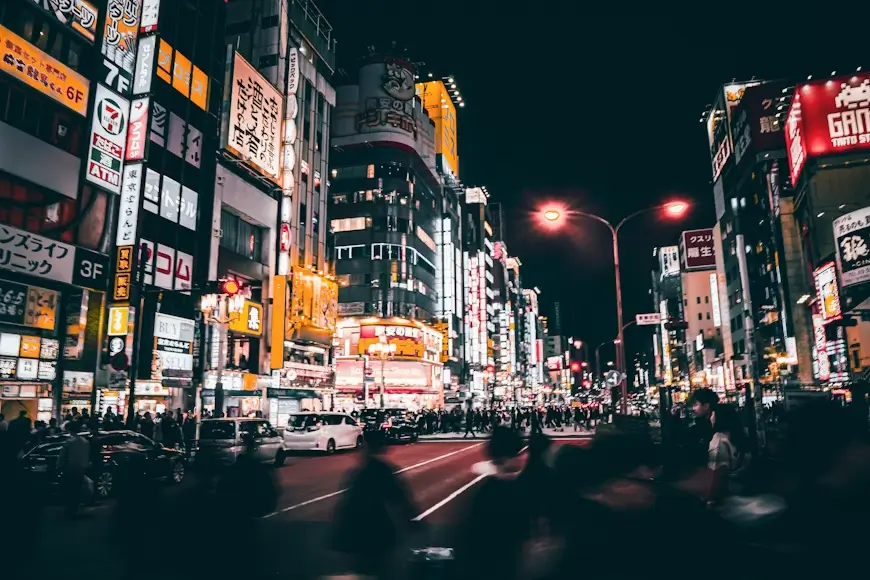
Modern cities never seem to slow down. From constant notifications and traffic noise to long work hours and packed schedules, urban life often feels like a nonstop race. While cities offer opportunities, innovation, and excitement, they also bring stress, burnout, and emotional exhaustion. This is where the concept of slow living becomes especially relevant.
Slow living is not about rejecting ambition or success. Instead, it is about being intentional—choosing quality over quantity, presence over pressure, and balance over burnout. In fast-paced cities, slow living acts as a counterbalance, helping individuals reconnect with themselves while still enjoying urban life.
What Is Slow Living?
Slow living is a lifestyle philosophy centred on mindfulness, intentional choices, and living at a pace that aligns with personal values rather than societal pressure. It encourages people to slow down mentally and emotionally, even if their external environment remains fast.
At its core, slow living promotes:
- Conscious decision-making
- Deep focus instead of multitasking
- Meaningful experiences over constant productivity
- Appreciation of everyday moments
Importantly, slow living does not mean doing everything slowly. It means doing the right things with attention and purpose, regardless of speed.
Why Slow Living Matters in Fast Cities
Fast cities are designed for efficiency, speed, and constant output. While this fuels economic growth, it often neglects human well-being. Many urban residents struggle with anxiety, digital overload, and lack of work-life boundaries.
Slow living matters in cities because it:
- Helps reduce chronic stress and mental fatigue
- Restores a sense of control over time and priorities
- Encourages healthier relationships with work and technology
- Improves overall life satisfaction
In a fast city, slow living becomes a survival skill allowing people to thrive rather than merely keep up.
Practical Ways to Practice Slow Living in the City
Adopting slow living in a busy city is possible with small, intentional changes.
Mindful Daily Routines
Start the day without immediately checking your phone. A calm morning ritual—such as journalist, stretching, or enjoying tea in silence sets a slower tone for the day.
Digital Boundaries
Limit unnecessary screen time. Turn off non-essential notifications and schedule intentional digital breaks to reduce mental clutter.
Slow Consumption
Buy less but better. Choose quality items, support local businesses, and avoid impulsive shopping driven by trends.
Finding Calm Spaces
Even busy cities have quiet corners parks, libraries, cafes, or walking paths. Regularly spending time in these spaces helps reset the mind.
Single-Tasking
Instead of multitasking, focus on one task at a time. This improves productivity and reduces mental exhaustion.
Benefits of Slow Living in Urban Environments
Slow living offers powerful benefits, especially in cities where overstimulation is common.
- Improved mental health: Reduced anxiety and burnout
- Better focus: Clearer thinking and stronger decision-making
- Stronger relationships: More presence in conversations and connections
- Enhanced creativity: Space for reflection and inspiration
- Greater fulfillment: Life feels richer and more meaningful
Rather than reducing productivity, slow living often enhances it by promoting clarity and energy.
Challenges of Slow Living in Fast Cities
Despite its benefits, slow living in urban environments comes with challenges.
One major obstacle is hustle culture, which glorifies constant busyness. Many people fear that slowing down will make them appear unmotivated or unsuccessful.
Other challenges include:
- Time constraints due to long work hours
- Noise and overcrowding
- Social pressure to always stay “busy”
- Limited access to nature
However, slow living is not about escaping these challenges it’s about responding to them more consciously.
Balancing Slow Living and Urban Success
A common misconception is that slow living conflicts with ambition. In reality, the two can coexist.
Successful urban slow living involves:
- Setting clear boundaries between work and personal life
- Redefining success beyond money or status
- Scheduling rest as intentionally as meetings
- Prioritizing long-term well-being over short-term hustle
By aligning goals with values, individuals can achieve professional success without sacrificing health or happiness.
Case Examples / Urban Slow Living Stories
Many city dwellers have successfully integrated slow living into fast-paced environments.
For example, professionals who:
- Adopt flexible work schedules
- Commute mindfully instead of rushing
- Build routines centered around wellness rather than urgency
Some entrepreneurs intentionally design businesses that support balanced lifestyles, proving that growth does not require constant burnout.
These examples show that slow living is not a luxury it is a choice.
Slow Living and Urban Planning
Modern urban planning increasingly supports slow living principles. Concepts like walkable neighborhoods, local markets, green spaces, and mixed-use communities allow residents to live more intentionally.
Ideas such as the “15-minute city” encourage people to meet daily needs without long commutes, reducing stress and improving quality of life. As cities evolve, slow living is becoming part of sustainable urban design.
Related: Color Theory in Fashion Styling: A Complete Guide for Beginners & Stylists
Conclusion
Slow living in fast cities is not about rejecting ambition or urban progress it is about reclaiming control over how we live and work. In environments driven by speed, deadlines, and constant connectivity, slow living offers a sustainable path to balance, clarity, and long-term well-being.
By adopting mindful routines, setting digital boundaries, and redefining personal success, city dwellers can reduce stress without compromising productivity. Even small changes, such as intentional rest or focused work, can transform daily life. As cities continue to grow and evolve, slow living provides a practical lifestyle framework that supports mental health, meaningful relationships, and purposeful living. In fast-paced urban worlds, choosing slow living is a powerful step toward a healthier and more fulfilling life.
FAQs
Can slow living work in very busy cities?
Yes, slow living focuses on mindset and habits, not location. Even small daily changes can make a big difference.
Does slow living reduce productivity?
No. It often improves productivity by reducing burnout and increasing focus and clarity.
Is slow living expensive to follow?
Not at all. Slow living encourages mindful spending and simplicity, which can actually save money.
How can professionals practice slow living with demanding jobs?
By setting boundaries, prioritising tasks, and scheduling intentional breaks, professionals can balance work and well-being.
Is slow living the same as minimalism?
They are related but different. Minimalism focuses on possessions, while slow living focuses on time, presence, and lifestyle choices.