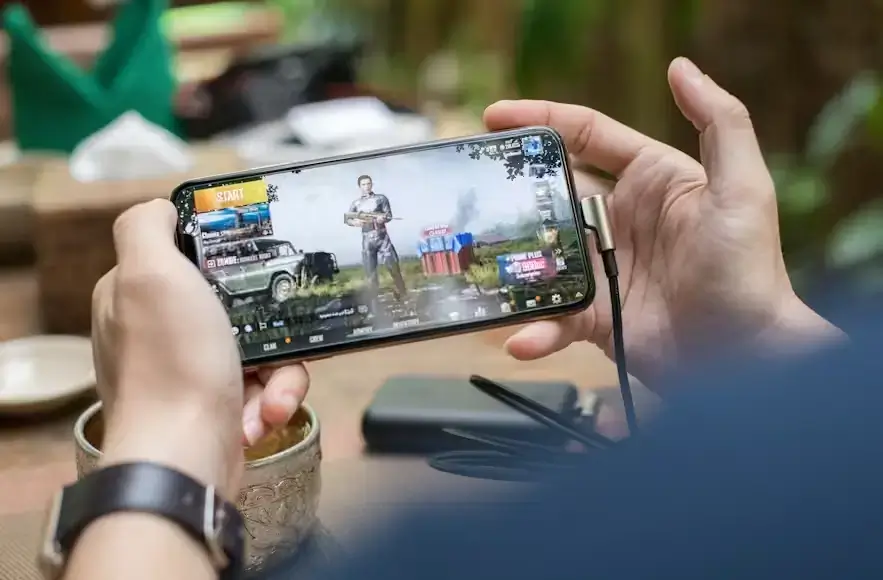
In the last decade, gaming has transformed from a casual hobby into a massive competitive industry. While PC and console escorts have dominated headlines for years, a newer giant is rising fast mobile . With smartphones becoming more powerful and accessible, millions of players are now competing online, forming teams, entering tournaments, and even building professional careers all from the palm of their hands. Mobile sports is no longer a small niche; it’s a global movement changing how people play, compete, and connect.
What Is Mobile Sports?
Mobile sports refer to organised competitive gaming events played on mobile devices, such as smartphones and tablets. Players participate individually or in teams, competing in popular games that offer ranked ladders, prize pools, and live broadcasting opportunities.
Unlike traditional esports that require high-performance PCs or consoles, mobile esports are:
- Affordable
- Accessible
- Player-friendly
This democratisation of competitive gaming has opened the door to millions of new gamers worldwide.
Market Growth & Size
The mobile gaming industry is the biggest segment of gaming, and sports is rapidly catching up.
Research estimates show:
- Mobile games make up 50–55% of global gaming revenue
- Mobile sports audience crossed 500+ million viewers
- Prize pools range from local tournaments to multi-million-dollar world finals
Countries in Asia-Pacific, Middle East, and Latin America lead the growth, proving that mobile sports is far more than a trend it’s the future of competitive gaming.
Key Drivers Behind the Rising Trend
Several factors fuel the explosive rise of mobile esports:
Smartphone Penetration
Smartphones are affordable and widely available, turning almost anyone into a potential esports player.
Free-to-Play Games
Most top esports titles are free, making competitive gaming accessible to all.
Internet Expansion
Improved mobile data, 5G networks, and Wi-Fi availability allow smooth online gaming almost anywhere.
Social & Streaming Culture
Platforms like YouTube Gaming, Twitch, and Facebook Gaming help players build fan bases, stream games, and engage in tournaments.
Sponsorship & Investment
Telecom companies, brands, and tournament organisers now fund sports at massive scale, attracting media and advertisers.
Popular Mobile sports Titles
Some of the world’s biggest esports games are now mobile-first:
- PUBG Mobile / BGMI
- Free Fire
- Call of Duty Mobile
- Mobile Legends: Bang Bang
- Clash Royale
- Arena of Valor
- Brawl Stars
These games feature ranked matches, seasonal competitions, global championships, and multi million dollar prize pools.
Regional Highlights
Mobile sports is growing everywhere, but some regions are leading:
Asia-Pacific
The biggest player in the market. Countries like India, China, Indonesia, and the Philippines dominate in player numbers and tournament viewership.
Latin America
A booming scene for Free Fire, driven by young players and streaming communities.
Middle East
Government-supported esports arenas and community events are expanding fast.
North America & Europe
Late adopters, but rapidly investing as games and sponsorship grow.
Emerging Trends in Mobile sports
The landscape continues to evolve through:
Cross-platform competitive play
sports academies training young talent
VR/AR mobile gaming concepts
Brand endorsements for mobile gamers
Franchise leagues similar to PC sports
Mobile sports are now being built into school and college programs, showing how mainstream competitive gaming has become.
Challenges Facing the Industry
Despite its rise, mobile esports faces obstacles:
Device Disparity
Not all phones run high-performance games equally, creating competition imbalance.
Connectivity Issues
Regions with weak internet struggle with lag and fair play.
Regulation & Cheating
Hacking, cheating apps, and game bans challenge fair competition.
Monetization Pressure
Players need earnings, sponsorships, and sustainable career paths.
These challenges create roadblocks but also opportunities for innovation.
The Future Outlook
With growing tech, stronger investment, and powerful mobile hardware, the future of mobile esports looks extremely promising. Gaming giants are already:
- Designing mobile-first esports titles
- Developing global leagues
- Investing in talent scouting and professional training
As 5 and cloud gaming become mainstream, players won’t need high-end devices games will run directly from the cloud, unlocking unlimited competitive potential.
Mobile sports is not just the future of gaming it’s already reshaping entertainment, careers, and digital culture.
Related : What Makes Immersive Gaming Experiences So Powerful in Online Games?
Conclusion
Mobile sports has rapidly transformed from a casual form of entertainment into one of the fastest-growing segments of competitive gaming. With smartphones becoming more powerful and internet connectivity strengthening worldwide, barriers to entry have almost disappeared. Students, professionals, and casual gamer alike now have a chance to compete, earn rewards, and build careers from the palm of their hand
. As mobile titles evolve into full-fledged sports ecosystems with leagues, tournaments, sponsors, and media coverage the future outlook remains incredibly bright. Challenges such as fair play, monetisation, and device disparities exist, but innovation continues to push the industry forward. One thing is certain: mobile sports isn’t a temporary trend it’s the next global gaming frontier.
FAQs
What makes mobile sports different from traditional sports?
Mobile sports is more accessible players only need a smartphone instead of expensive gaming PCs or consoles.
Which mobile games are most popular in sports?
Top titles include PUBG Mobile, Free Fire, Mobile Legends: Bang Bang, Brawl Stars, and Call of Duty Mobile.
Can gamers earn money through mobile sports?
Yes! Players can earn through tournaments, sponsorship, streaming, coaching, and content creation.
Do professional sports teams recruit mobile players?
Absolutely. Many global esports organizations now have competitive squads exclusively for mobile titles.
Is mobile sports a long-term career path?
It can be especially as the industry grows, but players must build skills, consistency, and a personal brand to succeed.