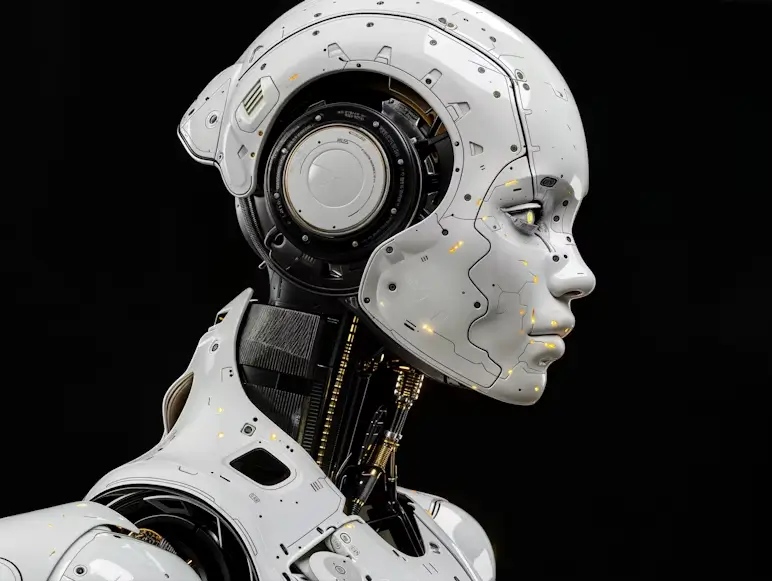
Technology has never evolved as rapidly as it does today. Every year, we see new innovations that change how we live, work, and interact with the world around us. The year 2025 has become a turning point for tech enthusiasts, with futuristic technology devices pushing the boundaries of imagination. From artificial intelligence-powered gadgets to wearable innovations that track your health in real time, the next generation of technology is shaping a smarter, more connected world. This article dives deep into the most exciting new futuristic technology devices of 2025 that are redefining the meaning of innovation.
The Rise of Artificial Intelligence in Everyday Devices
Artificial intelligence is no longer a luxury it’s becoming a standard feature in modern devices. AI powered gadgets are now designed to understand user behavior, adapt to routines, and perform tasks with minimal human input. Smart assistants have become more intuitive, learning from past interactions to offer more accurate recommendations and automation. For example, AI powered home hubs can now control your entire smart ecosystem from lighting and temperature to security and energy management based on your preferences and schedule.
AI is also making its way into personal gadgets. Devices like smart glasses can now translate conversations in real-time, display directions through augmented reality, and even recognize faces. The integration of AI into futuristic devices isn’t just about convenience; it’s about creating a personalized digital experience that enhances every aspect of life.
Wearable Technology: The Future of Personal Health and Lifestyle
Wearable technology has evolved far beyond fitness trackers. The new wave of futuristic wearables focuses on health optimization, environmental awareness, and real-time data analysis. Smartwatches in 2025 can now monitor blood sugar levels, hydration status, stress levels, and sleep cycles with medical-grade precision. Some even use AI to predict potential health issues before symptoms appear, helping users take proactive measures toward better health.
Moreover, innovative wearables like smart clothing are revolutionizing fashion and fitness. These garments are equipped with nano-sensors that measure posture, heart rate, and movement accuracy during workouts. There are even smart shoes that track your steps, analyze your gait, and offer feedback through a connected app. The future of wearable devices goes beyond tracking it’s about empowering individuals to live healthier, smarter lives.
Smart Home Devices: Redefining Modern Living
The concept of a “smart home” has taken a futuristic leap. In 2025, smart home devices are more intelligent, efficient, and interconnected than ever. Voice controlled assistants can manage everything from door locks to coffee machines, while AI-driven thermostats adjust the temperature based on your mood, detected through biometric sensors. Futuristic home robots now assist with household chores, learning layouts and routines to complete tasks efficiently.
Security has also reached a new level. Facial recognition doorbells, drone surveillance systems, and biometric locks make homes safer and more responsive. Smart lighting systems adjust brightness and color temperature automatically, improving sleep quality and reducing energy waste. These futuristic home devices are not just about convenience they’re about creating an ecosystem that learns, evolves, and adapts to the user’s lifestyle.
Advanced Transportation Gadgets: The Future of Mobility
Transportation is undergoing a technological revolution driven by automation, electrification, and sustainability. Self driving cars are becoming more refined, with AI algorithms capable of interpreting complex traffic patterns and weather conditions. Electric vehicles (EVs) are now equipped with self-charging solar panels and wireless charging capabilities, eliminating range anxiety for good.
Flying taxis and personal air vehicles are another exciting innovation of 2025. With vertical take-off and landing (VTOL) technology, these devices are turning science fiction into reality, offering faster and more eco-friendly urban travel. Meanwhile, smart helmets with augmented reality displays provide real-time navigation and safety alerts for riders. The future of transportation is not only about moving faster but also about moving smarter.
Next-Gen Entertainment and Communication Devices
Entertainment technology is transforming how people experience media and connect with others. Virtual reality (VR) and augmented reality (AR) headsets have advanced significantly, offering ultra-realistic visuals and immersive soundscapes. These devices are no longer just for gaming they’re being used for education, remote work, and virtual tourism. Imagine attending a business meeting in a realistic 3D environment or exploring ancient civilizations through VR travel experiences.
Communication devices are also entering a new era. Transparent smartphones with holographic displays are becoming mainstream, allowing users to project 3D visuals into the air. Smart earbuds now come with instant translation, noise isolation, and biometric monitoring. Futuristic communication devices aim to blend physical and digital realities, making interactions more natural, immersive, and efficient.
Robotics and Automation Devices: Building a Smarter Future
Robots are becoming essential companions in both homes and industries. In domestic settings, robot assistants are capable of cleaning, cooking, and even providing companionship to elderly individuals. In workplaces, automation robots are improving productivity, precision, and safety. From warehouse drones to robotic delivery units, automation is transforming business operations.
Futuristic robots now use AI-driven decision making to adapt to human emotions and behavior. For example, humanoid robots can provide emotional support and engage in meaningful conversations. In healthcare, robotic surgeons are performing delicate operations with unmatched accuracy. The combination of robotics and artificial intelligence is creating a world where machines don’t just assist humans they collaborate with them.
Sustainable Tech Devices: Innovation with Purpose
As technology advances, sustainability has become a critical focus. The latest futuristic gadgets are designed to minimize environmental impact without compromising performance. Solar-powered chargers, biodegradable electronic materials, and energy-efficient smart appliances are redefining eco-friendly innovation. Smart home systems now optimize electricity usage by learning consumption patterns, while electric mobility devices reduce dependency on fossil fuels.
Tech giants are also experimenting with modular devices, allowing users to upgrade specific components instead of replacing entire gadgets. This shift toward sustainability not only reduces waste but also makes technology more affordable and accessible in the long run. The future of technology is not just smarter it’s greener.
You might also like: Smart Home Gadgets Under $50: Affordable Innovations for Everyday Living
Conclusion
The evolution of technology is moving faster than ever, and the innovations of 2025 are proof that the future is already here. From AI powered assistants to wearable health monitors and autonomous vehicles, new futuristic technology devices are changing how we live and think. These devices are not only making our lives easier but also shaping a more connected, sustainable, and intelligent world.
As we continue to embrace these innovations, one thing is certain the line between imagination and reality is becoming increasingly blurred. The future belongs to those who adapt, innovate, and explore the endless possibilities that technology has to offer.