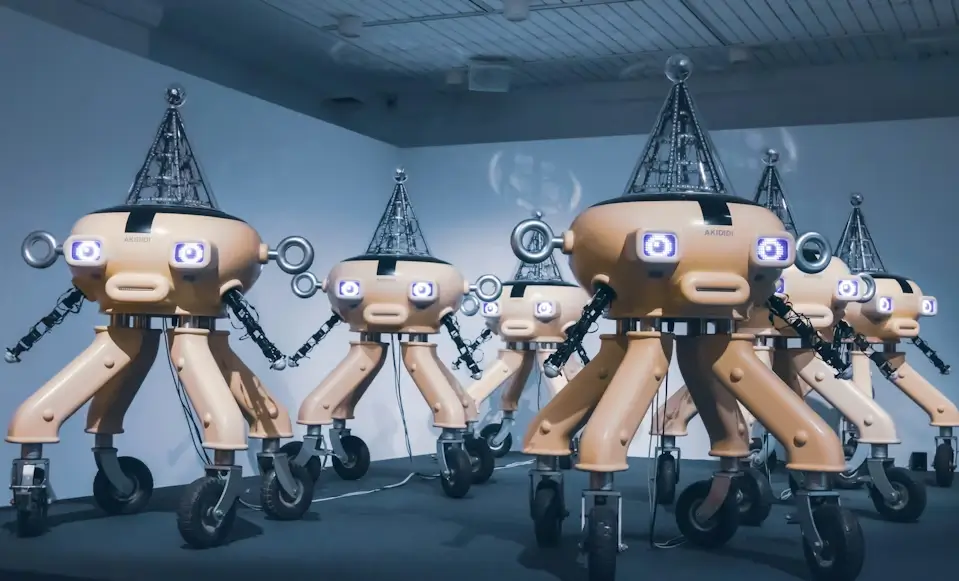
The future of work is rapidly evolving, and one of the most transformation shifts is the rise of human–machine collaboration. Instead of competing with technology, people and intelligent machines are increasingly working together combining speed, accuracy, and automation with creativity, empathy, and critical thinking. This partnership is reshaping industries, redefining job roles, and unlocking new possibilities for innovation.
Human machine collaboration isn’t just a trend, it’s a long-term future reality driven by artificial intelligence (AI), robotics, automation, and advanced analytics. The organisations that embrace this synergy today are the ones most likely to thrive tomorrow.
What Is Human–Machine Collaboration?
Human–machine collaboration refers to the dynamic interaction between people and intelligent systems designed to perform tasks collectively. Unlike traditional automation where machines replace manual work collaborative systems enhance human capability instead of eliminating it.
In this model:
- Machines handle repetitive, data-heavy or hazardous tasks.
- Humans provide emotional intelligence, creativity, judgment, and decision-making.
From smart robotics in manufacturing to AI-powered assistants in offices, collaboration is becoming a natural part of daily work. The goal is not to make humans obsolete but to make them smarter, more efficient, and more impact.
Why Human–Machine Collaboration Matters
Enhanced Productivity
AI systems can process vast amounts of information faster than humans, while humans interpret outcomes and make context-aware decisions. This leads to faster workflows and better results.
Better Innovation and Problem-Solving
Machines can analyze patterns and predict outcomes, but only humans fully understand human needs, emotions, and creativity. Together, they create solutions impossible for either alone.
Safer and Smarter Work Environments
In manufacturing, logistics, and construction, machines reduce risk by managing dangerous tasks. Meanwhile, humans oversee strategy and safety.
New Roles and Workforce Evolution
Instead of eliminating jobs, collaboration is creating new categories of work:
AI trainers, data analysts, robot supervisors, prompt engineers, machine ethic specialists, and more.
Competitive Advantage
Companies using AI-supported teams achieve higher agility, faster decision-making, and stronger market positioning key factors in a rapidly changing economy.
Key Models & Approaches in Human–Machine Collaboration
Collaborative Robots (Cobots)
Cobots are designed to operate safely alongside humans. Unlike industrial robots confined to factory cages, cobots learn from human interaction and assist rather than replace.
Human-in-the-Loop (HITL) Systems
In HITL models, humans participate in machine learning cycles training models, validating data, and providing feedback. This interaction improves accuracy and reduces algorithmic bias.
Explainable AI (XAI)
XAI allows humans to understand why a machine makes decisions. This transparency builds trust and enhances accountability, especially in healthcare, finance, and hiring.
Digital Twins
Digital twins are virtual replicas of systems or machines that allow teams to simulate outcomes before acting, minimizing cost and errors.
Automation with Human Oversight
Even in automated workflows, humans review outcomes and guide strategy. This balance ensures ethics, context, and responsibility remain intact.
Future Trends Shaping Human–Machine Collaboration
AI that Understands People
Emotional AI aims to interpret tone, expression, and behavior, making machines more intuitive partners.
Natural Language Interfaces
Advances in conversational AI mean interacting with machines will be as simple as talking to a colleague no coding required.
Adaptive Learning Systems
Machines will adjust to individual user styles, learning preferences, and decision-making patterns.
Hyper-Personalization
Human machine collaboration will empower tailored services from healthcare diagnoses to personalised retail experiences.
Cybersecurity and Trust Frameworks
As collaboration grows, protecting data and maintaining safe control systems will be critical.
Real-World Applications
Manufacturing
Factories use cobots to lift heavy loads, assemble products, and work with precision while humans supervise quality and complex adjustments.
Healthcare
AI systems analyze medical scans or symptoms; specialists diagnose, treat, and care for patients. Together, results improve dramatically.
Education
Teachers use AI tutoring tools to track student performance while providing human mentorship, emotion, and coaching.
Customer Support & Business
AI chat tools handle initial requests, while humans manage complex cases requiring empathy or negotiation.
Creative Professions
Writers, designers, musicians, and filmmakers use AI tools to brainstorm ideas, edit drafts, or generate concepts — enhancing creativity rather than suppressing it.
Challenges & Considerations
Trust and Transparency
Humans must understand machine limitations and decisions to collaborate effectively.
Skill Gaps and Training
Workers must learn how to use intelligent systems, interpret data, and supervise AI-driven processes.
Ethics and Responsibility
Questions arise: Who is liable for machine errors? How do we prevent bias? Ethical frameworks will define safe adoption.
Balancing Autonomy
Machines cannot be allowed full control human oversight remains essential to maintain values and judgement.
Case Studies / Insights
Amazon Robotics
Amazon uses robotic systems to transport packages while people handle complex sorting and decision-making. Productivity increased without eliminating human roles instead, jobs evolved.
Siemens Smart Factories
Siemens integrates AI-powered automation with expert technicians. Machines analyze data; humans handle optimization and machine teaching.
Healthcare AI in Radiology
AI tools detect anomalies in scans. Radiologists confirm diagnoses and determine treatment, reducing error risk and time.
These examples show that true innovation happens when humans + machines work together.
How to Prepare for the Human–Machine Future
Up skill Continuously
Workers should learn digital literacy, data interpretation, and automation tools.
Adopt AI Early
Businesses who experiment early gain competitive leads and smoother integration.
Focus on Human Strengths
Strategy, creativity, emotional intelligence, and leadership will always be human advantages.
Create Hybrid Teams
Design workflows where machines perform tasks for humans — not instead of humans.
Build Trust and Transparency
Explain decisions, incorporate feedback, and use ethical frameworks to guide adoption.
Related: Machine Learning for Predictive Analytics — Complete Guide
Conclusion
Human-machine collaboration marks the beginning of a new industrial revolution one where technology does not push humans aside but elevates them to higher levels of creativity, innovation, and strategic thinking. Machines excel at speed, data management, pattern recognition, and physical precision, while humans bring empathy, ethics, imagination, and leadership.
When combined effectively, the result is smarter decisions, faster outcomes, and stronger business performance. The companies that win in the coming years will be those that embrace collaboration rather than fearing it. By investing in skills, selecting the right tools, and developing cultures that welcome technology, businesses and workers can unlock a future where humans and machines thrive together.
FAQs
Will machines replace all human jobs?
No. Machines automate repetitive tasks, but humans remain essential for decision-making, creativity, and emotional intelligence.
Which industries benefit most from human-machine collaboration?
Healthcare, manufacturing, retail, finance, logistics, and customer service are leading adopters.
What skills will workers need in the future?
Digital literacy, AI understanding, creativity, analytical thinking, and problem-solving.
Are collaborative robots and AI safe?
Yes modern systems follow strict safety rules and are designed to assist, not harm.
How can businesses start collaborating with machines?
By identifying tasks to automate, training employees, testing AI tools, and building a culture open to innovation.