In today’s digital-first world, businesses rely heavily on fast, reliable, and scaleless infrastructure. From cloud computing and artificial intelligence to streaming platforms and online banking, almost every digital service depends on powerful data centre networks. One name that has gained significant attention in this space is aligned data centres a modern approach to data infrastructure built for efficiency, flexibility, and long-term scalability.
Unlike traditional facilities that struggle to adapt to rapidly growing workloads, this next-generation model focuses on smart design, sustainability, and high-performance computing environments. Companies that handle massive data volumes often seek providers that can scale quickly without compromising reliability. That’s where this advanced infrastructure concept becomes essential.
What Are Aligned Data Centers?
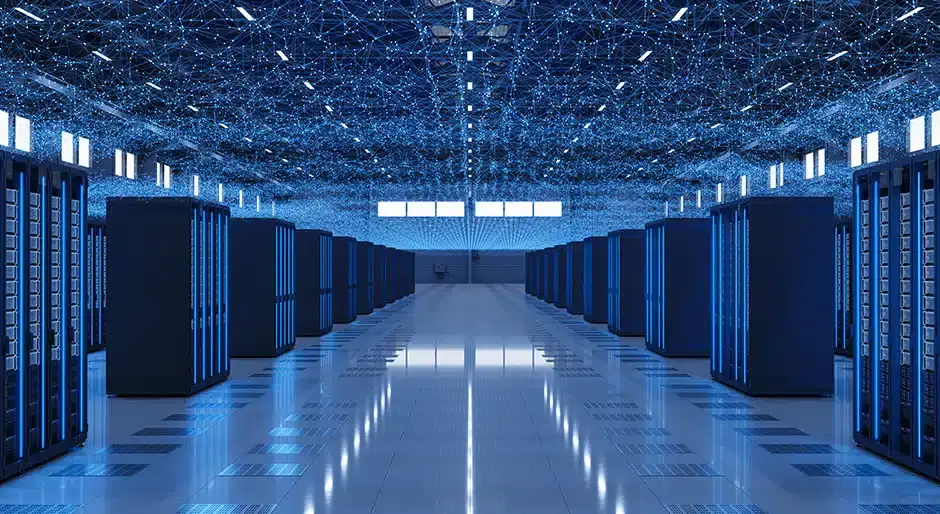
Aligned data centers refer to highly optimized data center facilities designed to deliver scalable, high-density, and energy-efficient infrastructure for enterprise and cloud workloads. The concept focuses on modular architecture and adaptive cooling systems that allow organizations to grow their IT capacity without facing traditional limitations.
Instead of building rigid infrastructure that becomes outdated quickly, these facilities use flexible deployment models. This means businesses can expand their computing resources gradually while maintaining performance and energy efficiency.
The result is an ecosystem where companies can handle increasing data demands while maintaining operational stability and environmental responsibility.
Why Businesses Are Choosing This Infrastructure Model
The digital economy requires more computing power than ever before. Organizations are running complex applications, storing massive datasets, and supporting global online services. A traditional facility often struggles to keep up with these demands.
Modern aligned infrastructure offers several advantages:
Scalability
Organizations can increase capacity as their digital workloads grow without rebuilding the entire facility.
Energy Efficiency
Advanced cooling technologies help reduce electricity usage, which lowers operational costs and environmental impact.
High-Density Performance
These environments are designed to support powerful servers and modern computing hardware that require significant power and cooling.
Reliability and Uptime
Infrastructure is engineered to maintain continuous availability, which is essential for mission-critical operations.
Enterprise Scenario: Handling Massive Data Growth
Imagine a rapidly growing streaming platform expanding into multiple countries. Millions of new users begin accessing content daily, placing enormous pressure on backend servers and storage systems.
If the company relied on a conventional facility with limited scalability, it might face outages or performance slowdowns during peak traffic. However, by deploying infrastructure built with aligned design principles, the platform can add server capacity and cooling systems quickly.
This ability to expand without disruption ensures that viewers experience seamless streaming—even during massive global events or popular content releases.
Key Features That Define Modern Aligned Infrastructure
Several technological innovations make these facilities stand out.
Adaptive Cooling Systems
Cooling is one of the biggest challenges in high performance computing environments. Advanced cooling systems dynamically adjust airflow and temperature based on real-time server activity. This approach improves efficiency while preventing overheating.
Modular Design
Instead of building massive structures all at once, the infrastructure is constructed in expandable modules. Businesses can deploy additional modules as demand increases.
Sustainable Operations
Many providers prioritize renewable energy sources and optimized power management to reduce carbon footprints. Sustainability has become a major factor for enterprises choosing hosting environments.
High-Density Capabilities
Modern workloads such as artificial intelligence and machine learning require powerful hardware. High-density server environments allow organizations to deploy cutting-edge processors and accelerators without compromising reliability.
Comparing Traditional vs. Aligned Data Center Infrastructure
Below is a simple comparison to understand how this modern infrastructure differs from conventional facilities.
| Feature | Traditional Data Centers | Aligned Infrastructure |
|---|---|---|
| Scalability | Limited and expensive upgrades | Flexible modular expansion |
| Energy Efficiency | Higher power consumption | Optimized cooling and energy management |
| Deployment Speed | Slow infrastructure buildout | Faster modular deployment |
| Performance Support | Moderate density workloads | High-density computing environments |
| Sustainability | Often less environmentally focused | Designed with energy efficiency and sustainability in mind |
This difference highlights why many enterprises are transitioning toward flexible, modern infrastructure models.
How These Facilities Support Emerging Technologies
The rise of digital transformation has created new infrastructure challenges. Technologies such as artificial intelligence, big data analytics, and cloud computing require enormous computational resources.
Aligned infrastructure helps address these needs by offering:
- High-performance computing environments
- Reliable cloud connectivity
- Scalable storage solutions
- Low-latency networking
For example, machine learning models require large clusters of GPUs and advanced cooling systems. Traditional facilities often struggle with the power density required for these workloads, while modern aligned environments are designed to handle them efficiently.
The Role of Sustainability in Data Infrastructure
Energy consumption has become a major concern in the technology sector. Data centers already consume a significant portion of global electricity, and this demand continues to grow.
Aligned infrastructure focuses on reducing environmental impact through:
- Efficient cooling technologies
- Intelligent airflow management
- Optimized power distribution
- Integration of renewable energy sources
These efforts not only lower operational costs but also support corporate sustainability goals.
A Personal Perspective on Infrastructure Reliability
I remember working with a small startup that experienced frequent downtime because its servers were hosted in an outdated facility with limited scalability. As the company grew, performance issues became more common. When they finally migrated to a modern data centre environment designed for flexible expansion, the difference was immediate faster response times, improved reliability, and the confidence to scale without fear of system failure.
Experiences like this show how critical infrastructure decisions can be for long-term business growth.
Why Infrastructure Flexibility Matters for the Future
Digital demand is evolving faster than ever. Businesses now rely on infrastructure that can support sudden spikes in traffic, global connectivity, and advanced computing workloads.
Facilities built with aligned principles allow organizations to:
- Expand quickly when demand increases
- Maintain stable performance during peak usage
- Reduce operational costs through energy efficiency
- Support future technologies without major redesigns
In many ways, this infrastructure approach represents the next phase of data centre evolution.
Related: SpicyChay AI: Exploring the Next Wave of Interactive AI Conversations
Conclusion
Aligned data centers represent a modern solution to the growing challenges of digital infrastructure. With scaleless architecture, advanced cooling systems, and strong sustainability practices, they provide the flexibility businesses need to handle today’s complex workloads.
As industries continue to adopt cloud computing, artificial intelligence, and data-driven operations, the demand for adaptable and efficient infrastructure will only increase. Organisations that invest in forward-thinking data centre solutions position themselves to grow confidently in an increasingly connected world.
FAQs
What makes aligned data centers different from traditional facilities?
The main difference lies in scalability and efficiency. Modern aligned infrastructure uses modular designs and adaptive cooling systems, allowing organisations to expand capacity quickly while maintaining optimal performance.
Who typically uses this type of infrastructure?
Large enterprises, cloud providers, technology companies, and organizations with high-performance computing requirements often rely on these facilities to support large-scale digital operations.
Are aligned data centers environmentally friendly?
Many facilities prioritise sustainability by using energy efficient cooling systems, optimised power distribution, and renewable energy sources to reduce environmental impact.
Why is scalability important in data centers?
Scalability allows businesses to increase computing resources as demand grows. Without scalable infrastructure, companies may face performance bottlenecks or expensive upgrades.
Can these data centers support AI and machine learning workloads?
Yes. Their high-density server environments and advanced cooling technologies make them well-suited for demanding workloads like artificial intelligence, big data analytics, and high-performance computing.