Technology has quietly transformed the way people live, work, and manage their homes. What once seemed futuristic—lights responding to voice commands, thermostats learning household routines, and security systems sending real-time alerts has now become part of everyday life. This Smart Home Technology Guide explores how connected devices work together, the benefits they offer, and how homeowners can build a practical and efficient automated living space.
Whether you’re a beginner curious about home automation or someone planning a complete connected-home setup, understanding the essentials can help you make smarter decisions and avoid costly mistakes.
What Is Smart Home Technology?
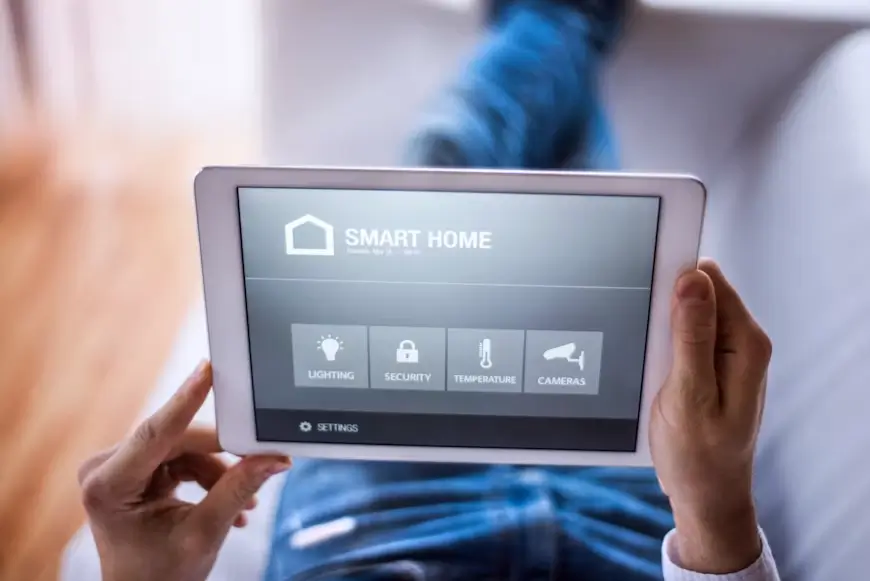
Smart home technology refers to internet-connected devices that can communicate, automate tasks, and be controlled remotely through smartphones, tablets, voice assistants, or centralized hubs.
These systems are designed to improve convenience, security, energy efficiency, and overall comfort. Instead of manually controlling appliances and household systems, users can automate actions based on schedules, preferences, or real-time conditions.
Examples include:
- Smart lighting systems
- Video doorbells
- Connected security cameras
- Smart thermostats
- Automated locks
- Smart speakers
- Intelligent kitchen appliances
- Automated blinds and curtains
The real power of a connected home lies in how these devices interact with each other to create seamless daily experiences.
Why More Homeowners Are Adopting Connected Devices
The growing popularity of home automation isn’t just about convenience. People are increasingly looking for solutions that simplify daily routines while helping reduce energy costs and improve safety.
Imagine leaving for work and having your house automatically lock all doors, turn off unnecessary lights, lower heating usage, and activate security monitoring. These actions happen without requiring any manual input.
This level of automation creates efficiency that traditional homes simply cannot match.
One of the biggest reasons for adoption is control. Whether you’re across town or on another continent, connected devices allow you to monitor and manage your property from virtually anywhere.
Key Components of a Modern Smart Home
Building an intelligent living environment usually starts with a few foundational devices.
Smart Lighting
Connected lighting systems allow users to control brightness, color, and schedules through mobile apps or voice commands.
Benefits include:
- Reduced energy consumption
- Automated schedules
- Enhanced security through occupancy simulation
- Customized ambiance settings
For example, lights can gradually brighten in the morning to mimic sunrise and help improve wake-up routines.
Smart Thermostats
Heating and cooling account for a large portion of household energy expenses. Intelligent thermostats learn user behavior and automatically adjust temperatures for maximum efficiency.
Features often include:
- Learning capabilities
- Remote temperature control
- Energy reports
- Occupancy detection
Many homeowners notice meaningful savings on utility bills after installing one.
Smart Security Systems
Security remains one of the most compelling reasons to embrace connected-home technology.
Common components include:
- Video doorbells
- Motion sensors
- Indoor cameras
- Outdoor cameras
- Smart locks
- Alarm systems
Real-time notifications help homeowners respond quickly to unusual activity, even when they’re away.
Voice Assistants
Voice-controlled assistants act as central command centers for connected devices.
Users can:
- Control lighting
- Play music
- Check weather forecasts
- Lock doors
- Adjust thermostats
- Create automation routines
The convenience of speaking a simple command often becomes one of the most appreciated features of a connected household.
Comparison of Popular Smart Home Categories
When planning a setup, it helps to understand how different device categories contribute to everyday living.
| Category | Primary Purpose | Key Benefit | Ideal For |
|---|---|---|---|
| Smart Lighting | Light control | Convenience and efficiency | All households |
| Smart Thermostat | Climate management | Energy savings | Homeowners seeking lower bills |
| Smart Security | Property protection | Enhanced safety | Families and travelers |
| Smart Locks | Access control | Remote entry management | Frequent travelers |
| Smart Speakers | Central control | Hands-free automation | Beginners and advanced users |
| Smart Appliances | Household efficiency | Time savings | Busy households |
allow faster responses to potential threats.
Increased Property Value
As technology adoption grows, homes equipped with modern automation features may become more attractive to potential buyers.
Better Accessibility
For older adults and individuals with mobility challenges, voice control and automation can significantly improve daily living.
Tasks that once required physical effort can often be completed with simple commands.
Common Challenges and How to Avoid Them
While connected-home technology offers impressive advantages, there are a few considerations to keep in mind.
Device Compatibility
Not all products communicate equally well with each other.
Before purchasing, verify compatibility between devices, platforms, and ecosystems.
Network Reliability
A strong Wi-Fi connection forms the backbone of most automated homes.
Investing in a reliable router and network setup can prevent frustrating connectivity issues.
Privacy and Security
Connected devices collect and process data.
To improve protection:
- Use strong passwords
- Enable multi-factor authentication
- Regularly update firmware
- Review privacy settings
These simple practices significantly reduce security risks.
Getting Started Without Overspending
Many newcomers assume they need to automate their entire house immediately. In reality, starting small often produces the best results.
A practical approach might include:
- Smart speaker
- Smart bulbs
- Smart plugs
- Video doorbell
Once familiar with these devices, homeowners can gradually expand their setup based on specific needs and goals.
I personally started with smart lighting in a single room and was surprised by how quickly small automations improved everyday convenience.
This incremental strategy reduces costs while providing valuable experience with automation technology.
The Future of Connected Living
The next generation of home automation will likely become even more intuitive.
Artificial intelligence, predictive automation, improved interoperability, and enhanced energy management are expected to create systems that anticipate user needs rather than simply responding to commands.
Future homes may automatically optimise energy consumption, monitor appliance health, improve indoor air quality, and personalise environments based on individual preferences without requiring manual configuration.
As technology continues to evolve, the distinction between digital and physical living spaces will become increasingly seamless.
Related: Future Technology Changing Online Business: What the Next Digital Shift Looks Like
Conclusion
Smart home technology is no longer a luxury reserved for tech enthusiasts. It has become an accessible and practical solution for homeowners seeking greater convenience, security, efficiency, and control.
By starting with a few carefully selected devices and expanding gradually, anyone can create a connected living environment tailored to their lifestyle. Whether your goal is lowering energy bills, improving home security, or simplifying daily routines, modern automation tools provide powerful opportunities to transform the way you interact with your home.
The key is not buying the most devices but choosing the right ones that genuinely improve everyday life.
FAQs
What is the easiest smart home device for beginners?
Smart speakers, smart bulbs, and smart plugs are typically the easiest devices to install and use. They require minimal setup and provide immediate benefits.
Does home automation save money?
Yes. Intelligent thermostats, automated lighting, and energy-monitoring devices can help reduce utility costs by minimizing unnecessary energy consumption.
Is smart home technology secure?
Most modern devices include strong security features. Using strong passwords, enabling multi-factor authentication, and keeping software updated significantly improves protection.
Do I need a hub for a connected home?
Not always. Many modern devices connect directly to Wi-Fi and can operate independently. However, hubs can improve device coordination and automation capabilities.
Can smart devices work during internet outages?
Some functions may continue operating locally, but many remote-control and cloud-based features will be limited until internet connectivity is restored.
How much does it cost to build a smart home?
Costs vary widely. Basic setups can begin with a modest investment, while fully automated homes may require a larger budget. Starting small and expanding gradually is often the most cost-effective approach.