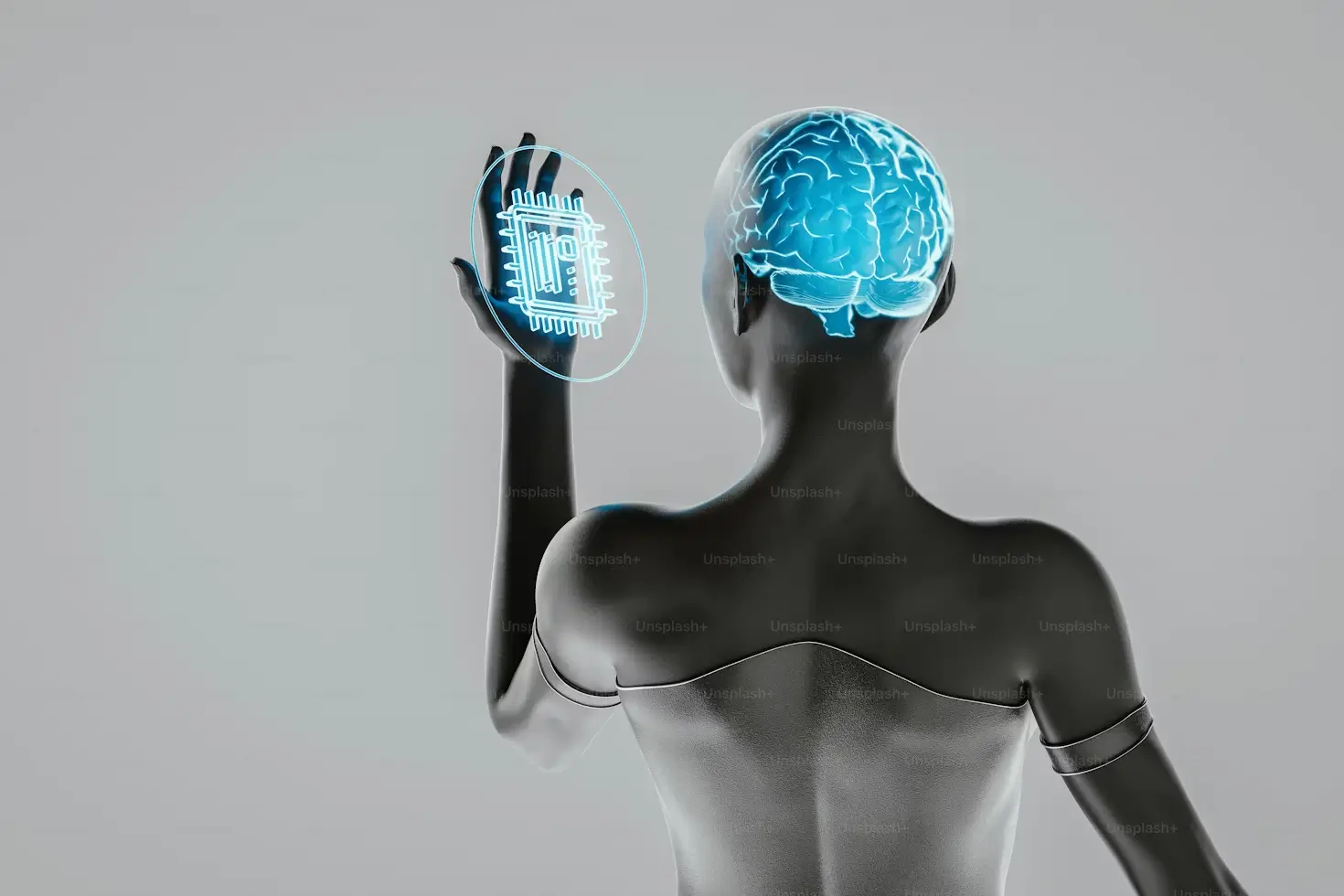
The average person consumes more information in a single day than people did in weeks just a few decades ago. Notes pile up, browser tabs multiply endlessly, and important ideas disappear into forgotten folders. That’s exactly why AI powered second brain apps are becoming one of the most talked-about productivity technologies today.
These intelligent systems are changing how people capture, organize, and retrieve information. Instead of manually sorting documents, reminders, screenshots, meeting notes, and research, users now rely on artificial intelligence to connect everything automatically. The result feels less like using an app and more like having a digital thinking partner.
Whether you’re a student, entrepreneur, creator, or remote worker, the demand for smarter knowledge management is growing rapidly. People no longer want basic note-taking tools. They want systems that understand context, predict relevance, and surface useful information before they even search for it.
What Are AI Powered Second Brain Apps?
A second brain app is essentially a digital extension of your memory and workflow. Traditional note-taking apps simply store information, but AI-enhanced platforms actively analyze and organize your data.
These tools can:
- Summarize long documents
- Generate action items from meetings
- Connect related ideas automatically
- Recommend relevant notes
- Search using natural language
- Create intelligent workflows
Instead of remembering where you saved something, you simply ask the system what you need.
For example, a marketing consultant preparing for a client meeting could type:
“Show me campaign ideas, meeting notes, and competitor research from last month.“
The app instantly gathers everything connected to that topic, even if the files were stored in different places.
That level of contextual intelligence is what separates modern digital knowledge systems from old-school productivity software.
Why These Apps Are Growing So Fast
People are overwhelmed by digital clutter. Emails, Slack conversations, PDFs, voice notes, and bookmarks create constant mental fatigue. AI-driven productivity platforms solve this by reducing friction.
The rise of remote work has accelerated this trend even further. Teams now need smarter systems to centralise information and reduce time wasted searching for files.
I personally noticed a huge difference after moving all my scattered research notes into an AI-assisted workspace because it reduced hours of manual organisation every week.
Another reason these tools are exploding in popularity is personalisation. The more you use them, the smarter they become. Over time, the system begins understanding your habits, priorities, and work style.
This creates a smoother workflow that feels surprisingly intuitive.
Key Features That Make These Apps Powerful
Not every second brain platform offers the same experience. The best tools combine intelligent automation with simplicity.
Smart Knowledge Retrieval
Modern AI note systems allow users to search conversationally rather than relying on exact keywords.
Instead of searching:
- “meeting_notes_final_v2”
You can ask:
- “What did the client say about budget concerns?”
The AI scans your database and delivers precise results instantly.
Automatic Organization
One of the biggest frustrations with digital notes is categorization. AI apps automatically group content by topic, project, or relevance without constant manual tagging.
This means less time organizing and more time creating.
AI Summarization
Long documents and research materials can be condensed into concise summaries. This is especially useful for students, analysts, and business professionals who process large volumes of information daily.
Cross-Platform Integration
Many advanced platforms connect with:
- Cloud storage
- Calendars
- Task managers
- Collaboration software
This transforms the app into a centralized productivity hub rather than just a notebook.
Popular AI Second Brain Apps Compared
Here’s a quick comparison of some widely discussed platforms in this space:
| App | Best For | AI Features | Ease of Use |
|---|---|---|---|
| Notion AI | Team collaboration | Writing help, summaries, organization | Beginner friendly |
| Mem.ai | Fast idea capture | Contextual memory and smart search | Very simple |
| Obsidian | Deep knowledge mapping | Plugin-based AI enhancements | Advanced users |
| Evernote AI | Traditional note management | AI search and summarization | Easy |
| Reflect Notes | Personal productivity | AI-linked thoughts and calendar sync | Minimalist |
Each platform serves different types of users, which is why choosing the right one depends heavily on workflow style.
How Professionals Use Them
Imagine a freelance designer handling multiple clients simultaneously.
Without an intelligent system, project files, revision requests, invoices, and brainstorming notes become chaotic quickly.
With an AI-enhanced second brain app:
- Client conversations are automatically connected
- Meeting notes generate tasks instantly
- Research links organize themselves by project
- Deadlines sync with calendars
- Past ideas become searchable within seconds
Instead of switching between dozens of apps, the designer works inside one intelligent workspace.
That efficiency compounds over time.
The Hidden Advantage Most People Miss
Most users initially adopt these apps for organization. But the real value appears later.
Over time, the system becomes a searchable archive of your thinking patterns, ideas, strategies, and experiences. This creates a form of long-term intellectual leverage.
Writers can rediscover forgotten ideas. Entrepreneurs can revisit past strategies. Researchers can connect concepts that originally seemed unrelated.
The app evolves into a personalized knowledge engine.
That’s why many creators now describe these tools as “external memory systems” rather than productivity software.
Challenges and Limitations
Despite the benefits, AI productivity apps are not perfect.
Privacy Concerns
Many users worry about storing sensitive information in cloud-based systems powered by AI. Security policies vary significantly between providers.
Before choosing a platform, it’s important to review:
- Encryption standards
- Data ownership policies
- AI training permissions
Learning Curve
Some advanced systems require time to configure properly. Knowledge mapping, databases, and automation workflows can initially feel overwhelming.
Overdependence on Automation
Relying too heavily on AI-generated summaries or organization may reduce active engagement with information. Human thinking still matters.
The smartest users treat AI as an assistant rather than a replacement for critical thinking.
How to Choose the Right App
The best second brain software depends on your goals.
For Students
Choose tools with:
- Fast note capture
- PDF annotation
- AI summaries
- Easy search functionality
For Entrepreneurs
Look for:
- Project management integration
- Team collaboration
- Workflow automation
- Knowledge databases
For Creators and Writers
Prioritize:
- Idea linking
- Content organization
- Research storage
- AI writing assistance
Simple tools often work better than overly complicated systems. A platform you consistently use is more valuable than one packed with unused features.
The Future of Intelligent Knowledge Management
AI powered second brain apps are still evolving rapidly. Future systems will likely include:
- Voice-based memory recall
- Predictive task generation
- Real-time research assistants
- Emotion-aware productivity suggestions
- Personalized learning optimization
Eventually, these platforms may become deeply integrated into everyday digital life, functioning almost like personalized operating systems for thought and productivity.
As AI becomes more context-aware, the line between note-taking, search engines, and virtual assistants will continue to blur.
Related: Clear water AI Project Management Tools: Smarter Workflows with Intelligent Automation
Conclusion
AI powered second brain apps are transforming how people manage information, ideas, and daily workflows. They go far beyond digital notebooks by creating intelligent systems that organize knowledge automatically and retrieve it contextually.
In a world flooded with information, the ability to think clearly often depends on how effectively you store and access knowledge. These tools reduce mental clutter, improve focus, and help users work more intentionally.
The most exciting part is that this technology is still developing. What feels advanced today may soon become a standard part of personal and professional productivity.
For anyone struggling with digital overwhelm, adopting an intelligent knowledge system could become one of the smartest productivity decisions of the decade.
FAQs
Are AI powered second brain apps worth it?
Yes, especially for people who manage large amounts of information daily. They save time, improve organization, and reduce mental overload.
Which second brain app is best for beginners?
Many beginners prefer simpler platforms like Notion AI or Reflect Notes because they are easier to learn and set up.
Can these apps replace traditional note-taking?
For many users, yes. AI-enhanced systems provide better search, organization, and contextual retrieval compared to standard notes apps.
Are AI note-taking apps safe?
Most reputable platforms use encryption and security protections, but users should still review privacy policies carefully before storing sensitive information.
Do second brain apps work offline?
Some platforms support offline access, while others rely heavily on cloud synchronization. Features vary depending on the app.
Can AI productivity apps improve creativity?
They can support creativity by organizing ideas, resurfacing old concepts, and reducing the mental load associated with information management.