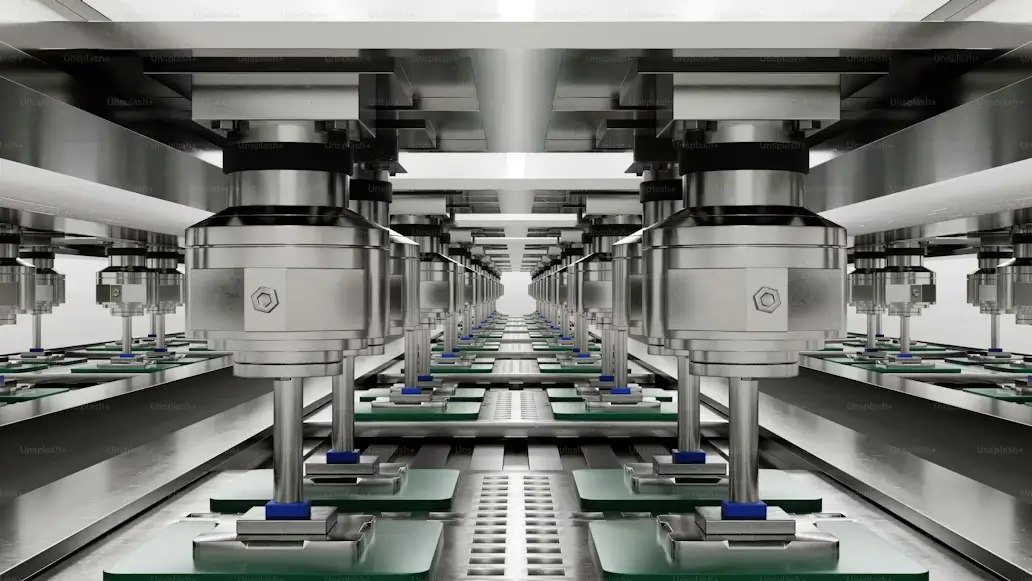
In today’s fast-moving digital economy, small and medium-sized enterprises (SMEs) face constant pressure to operate faster, smarter, and more efficiently. Limited staff, tight budgets, and increasing customer expectations make manual processes a major obstacle to growth. This is where Business Process Automation (BPA) becomes a game-changer.
Business process automation allows SMEs to streamline repetitive tasks, reduce errors, and free up valuable time for strategic decision-making. Once considered a solution only for large corporations, automation is now accessible, affordable, and highly beneficial for small businesses. This article explores what BAP is, why SMEs need it, and how to implement it successfully for long-term growth.
What Is Business Process Automation?
Business Process Automation refers to the use of technology to perform recurring business tasks or workflows with minimal human intervention. These processes may include data entry, invoicing, customer onboarding, payroll, inventory updates, or email responses.
Unlike traditional manual workflows, BPA uses tools such as software platforms, cloud systems, robotic process automation (RPA), and artificial intelligence to execute tasks automatically. The goal is not to replace humans but to eliminate repetitive, time-consuming activities, allowing employees to focus on higher-value work such as strategy, customer engagement, and innovation.
Why SMEs Need Process Automation
SMEs often operate with small teams where employees juggle multiple responsibilities. Manual processes can slow down operations and increase the risk of mistakes. Automation helps solve these issues in several ways:
- Time efficiency: Automated workflows run faster than manual tasks.56
- Cost control: Fewer errors and less rework mean lower operational costs.
- Consistency: Standardized processes ensure uniform quality.
- Scalability: Businesses can grow without hiring large teams.
For SMEs competing with larger companies, automation provides a level playing field by improving productivity and operational agility.
Key Automation Technologies for SMEs
Robotic Process Automation (RPA)
RPA uses software bots to mimic human actions such as copying data, filling forms, or generating reports. It is ideal for rule-based, repetitive tasks.
Cloud-Based Automation Tools
Cloud platforms allow SMEs to automate accounting, CRM, HR, and project management processes without heavy infrastructure investment.
Artificial Intelligence (AI)
AI-powered automation handles tasks like customer support chatbots, data analysis, demand forecasting, and document processing.
Workflow Automation Software
These tools connect different apps and systems, creating automated workflows across departments such as sales, marketing, and finance.
High-Impact SME Automation Use Cases
Automation delivers the highest value when applied to daily operational tasks. Common use cases include:
- Accounting & invoicing: Automated billing, expense tracking, and payment reminders
- HR & payroll: Attendance tracking, salary calculations, and onboarding
- Customer service: Chatbots, automated email responses, and ticket management
- Inventory management: Stock level monitoring and reorder alerts
- Sales & marketing: Lead nurturing, CRM updates, and campaign automation
These use cases reduce workload while improving speed and accuracy.
Benefits of Business Process Automation for SMEs
The advantages of BPA extend beyond efficiency. Key benefits include:
- Improved productivity: Employees spend less time on repetitive tasks
- Reduced errors: Automation minimizes manual data entry mistakes
- Cost savings: Lower labor and operational costs over time
- Better customer experience: Faster responses and smoother processes
- Business scalability: Easy expansion without operational bottlenecks
- Data-driven decisions: Automated reporting and analytics support smarter planning
For SMEs, these benefits directly translate into stronger competitiveness and sustainable growth.
How to Start Automation in an SME
Starting automation does not require a complete system overhaul. A phased approach works best:
- Identify repetitive tasks that consume the most time
- Map existing workflows to understand inefficiencies
- Choose scalable tools that fit your budget and needs
- Start small with one or two processes
- Train employees and encourage adoption
- Monitor performance and refine workflows
A gradual implementation reduces risk and ensures smoother transitions.
Challenges and Solutions in SME Automation
Despite its benefits, automation comes with challenges:
Resistance to Change
Employees may fear job loss or struggle with new tools.
Solution: Provide training and emphasize how automation supports—not replaces—them.
Limited Budget
Some SMEs hesitate due to upfront costs.
Solution: Use cloud-based, subscription-based tools with flexible pricing.
Integration Issues
Existing systems may not connect easily.
Solution: Choose tools with strong integration capabilities and APIs.
Overcoming these challenges requires planning, communication, and the right technology partners.
Measuring ROIL & Success
To ensure automation delivers value, SMEs must track performance. Key metrics include:
- Time saved per process
- Reduction in errors
- Cost savings
- Employee productivity
- Customer satisfaction improvements
Dashboards and analytics tools help measure ROI and guide future automation decisions.
Future Trends in SME Automation
The future of SME automation is rapidly evolving. Emerging trends include:
- AI-driven decision automation
- No-code and low-code automation platforms
- Automation-as-a-Service (AaaS)
- Advanced analytics and predictive tools
- Increased use of chatbots and virtual assistants
As technology becomes more accessible, automation will be a core component of TIME growth strategies.
Related: Low-Investment Business Expansion: Grow Smarter, Not Costlier
Conclusion
Business Process Automation for SMEs is no longer a luxury it is a necessity for sustainable growth in a competitive market. By automating repetitive and time-consuming processes, small and medium-sized businesses can significantly improve efficiency, accuracy, and overall productivity. Automation allows SMEs to focus more on innovation, customer satisfaction, and strategic decision-making rather than routine tasks.
While challenges such as budget constraints or employee resistance may arise, a phased and well-planned approach makes automation achievable for businesses of all sizes. As technology continues to evolve, SMEs that adopt automation early will gain a strong competitive edge, improve scalability, and build resilient operations prepared for the future.
FAQs
What is business process automation for SMEs?
Business process automation for SMEs involves using digital tools and software to automate repetitive tasks such as invoicing, payroll, customer support, and inventory management, reducing manual work and errors.
Is business process automation expensive for small businesses?
No, many cloud-based and subscription automation tools are affordable and designed specifically for SMEs, allowing businesses to start with low investment and scale gradually.
Which business processes should SMEs automate first?
SMEs should begin with high-impact, repetitive processes such as accounting, customer communication, HR tasks, and order processing to achieve quick efficiency gains.
Will automation replace employees in SMEs?
Automation does not replace employees; it supports them by handling routine tasks so they can focus on higher-value activities like strategy, creativity, and customer engagement.
How can SMEs measure the success of automation?
Success can be measured through time saved, cost reduction, error reduction, improved productivity, and enhanced customer satisfaction using analytics and performance metrics.