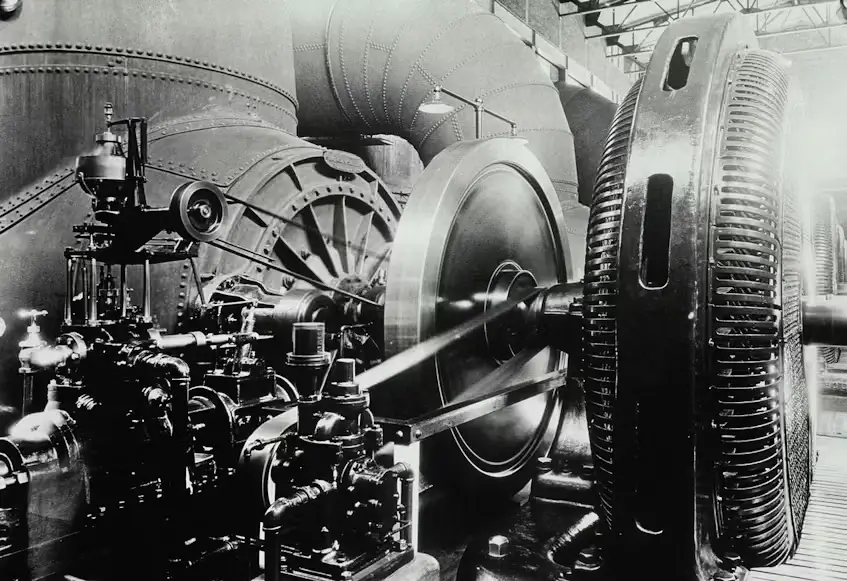
For decades, traditional industries such as manufacturing, agriculture, textiles, construction, logistics, and retail have relied on manual processes, legacy systems, and experience based decision making. These sectors, often called “old industries,” built the foundation of modern economies. However, rapid technological advancements and changing market demands have made digital transformation no longer optional.
An old industries tech upgrade refers to integrating modern technologies into traditional business models to improve efficiency, reduce costs, increase transparency, and remain competitive. Today, even small traditional businesses can adopt technology at low cost and achieve long-term growth. This article explores why upgrading matters, which technologies are driving change, and how legacy industries can transition successfully.
What Does “Old Industries” Mean Today?
Old industries are sectors that were established long before the digital era and still rely heavily on traditional workflows. Examples include:
- Manufacturing and heavy industry
- Agriculture and farming
- Textile and garment production
- Transportation and logistics
- Brick-and-mortar retail
- Construction and infrastructure
These industries typically share common traits:
- Manual or paper-based operations
- Outdated machinery or systems
- Low use of data and automation
- Resistance to rapid change
Despite being labelled “old,” these industries are not obsolete. In fact, when modern technology is applied correctly, they become more productive, sustainable, and globally competitive.
Why Technology Adoption Matters
Technology adoption is critical for the survival and growth of traditional industries in today’s economy.
Staying Competitive
Digital-first companies operate faster, cheaper, and smarter. Without technology upgrades, old industries risk losing customers and market share.
Improving Efficiency
Automation and data tools reduce errors, speed up processes, and eliminate unnecessary manual labor.
Meeting Customer Expectations
Modern customers expect transparency, speed, quality, and digital communication—standards that technology helps achieve.
Cost Reduction
Smart systems reduce waste, energy usage, and operational inefficiencies, leading to higher profit margins.
Sustainability and Compliance
Technology helps businesses track emissions, manage resources responsibly, and comply with regulations.
Technologies Transforming Legacy Industries
Several technologies are playing a major role in upgrading old industries.
Automation and Robotics
Automation improves consistency and productivity in manufacturing, warehousing, and packaging. Robots handle repetitive tasks while humans focus on supervision and innovation.
Artificial Intelligence and Data Analytics
AI enables predictive maintenance, demand forecasting, quality control, and customer behavior analysis. Data-driven decisions outperform guesswork.
Internet of Things (IoT)
Sensors and smart devices monitor equipment performance, energy use, soil moisture (in farming), and supply chains in real time.
Cloud Computing
Cloud platforms allow remote access to data, scalable systems, and collaboration without expensive infrastructure.
Blockchain Technology
Blockchain improves supply chain transparency, product traceability, and fraud prevention, especially in food, textiles, and logistics.
Practical Digital Upgrades for Small Traditional Businesses
Technology adoption doesn’t require massive investment. Small businesses can start with simple, affordable upgrades:
- Replace paper records with digital accounting software
- Use POS systems for inventory and sales tracking
- Adopt mobile payment solutions
- Use low-cost automation tools for scheduling and invoicing
- Sell products through online marketplaces
- Implement customer relationship management (CRM) tools
These small steps create immediate efficiency gains and prepare businesses for advanced upgrades later.
Barriers Slowing Tech Adoption
Despite clear benefits, many traditional industries struggle to adopt technology.
Fear of High Costs
Many owners believe technology is expensive, while many modern tools are affordable or subscription-based.
Workforce Resistance
Employees may fear job loss or struggle to adapt to new systems.
Skill Gaps
Lack of digital literacy slows adoption and implementation.
Cultural Mindset
“Old ways work” thinking often prevents innovation.
Unclear ROI
Some businesses hesitate because they don’t understand how technology will generate returns.
Overcoming these barriers requires education, leadership support, and gradual implementation.
How to Successfully Manage the Transition
Successful tech upgrades follow a structured approach.
Start Small
Begin with one process or department. Test, learn, and expand gradually.
Train and Upskill Employees
Technology should empower workers, not replace them. Training builds confidence and acceptance.
Align Tech With Business Goals
Choose tools that directly improve productivity, quality, or customer experience.
Partner With Experts
Collaborate with technology providers, consultants, or startups instead of building systems from scratch.
Use Financial Support Programs
Many governments and organisations offer grants, tax incentives, and digital transformation support for traditional sectors.
Case Studies
Manufacturing Example
A mid-sized factory implemented IoT sensors to monitor machine performance. Predictive maintenance reduced downtime by 30% and saved thousands in repair costs.
Agriculture Example
A farming business adopted smart irrigation and drone monitoring. Water usage dropped significantly while crop yield increased.
Textile Industry Example
A garment manufacturer used AI-based demand forecasting to reduce overproduction and inventory waste, increasing profitability.
These real-world examples show how technology delivers measurable value.
Benefits of Upgrading Old Industries
When traditional sectors embrace technology, the benefits are long-lasting:
- Higher productivity and efficiency
- Lower operational costs
- Improved product quality
- Better customer satisfaction
- Increased sustainability
- Global market access
- Data-driven decision-making
Technology transforms old industries into future-ready enterprises.
Future Outlook
The future of old industries is digital, connected, and intelligent. Emerging trends include:
- Smart factories and automated supply chains
- AI-powered decision systems
- Green technology integration
- Hybrid human-machine workforces
- Increased digital skills demand
Rather than eliminating jobs, technology will create new roles focused on management, analytics, and innovation.
Related: Role of Technology in Remote Work
Conclusion
Upgrading old industries with modern technology is no longer a choice it is a necessity for long term survival and growth. Traditional sectors have strong foundations built on experience, skills, and trust, but technology enhances these strengths by improving efficiency, accuracy, and scalability. From automation and AI to cloud systems and Io, even small digital upgrades can deliver significant results.
The key lies in adopting technology gradually, training employees, and aligning tools with real business goals. When managed correctly, tech upgrades do not replace workers; they empower them to perform better and smarter. As markets become more competitive and customer expectations rise, industries that embrace digital transformation today will lead tomorrow’s economy with confidence, resilience, and sustainable success.
FAQs
What are old industries in today’s economy?
Old industries include sectors like manufacturing, agriculture, textiles, construction, and logistics that rely on traditional processes and legacy systems.
Is technology adoption expensive for traditional businesses?
Not necessarily. Many digital tools are affordable, subscription-based, and scalable for small and medium-sized businesses.
Will technology replace workers in old industries?
No. Technology mainly automates repetitive tasks and creates new roles that require human skills, supervision, and decision-making.
How can small traditional businesses start digital transformation?
They can begin with simple steps like digital accounting, inventory systems, online sales platforms, and basic automation tools.
What is the biggest benefit of upgrading old industries?
The biggest benefit is improved efficiency and competitiveness, allowing businesses to reduce costs, improve quality, and grow sustainably.