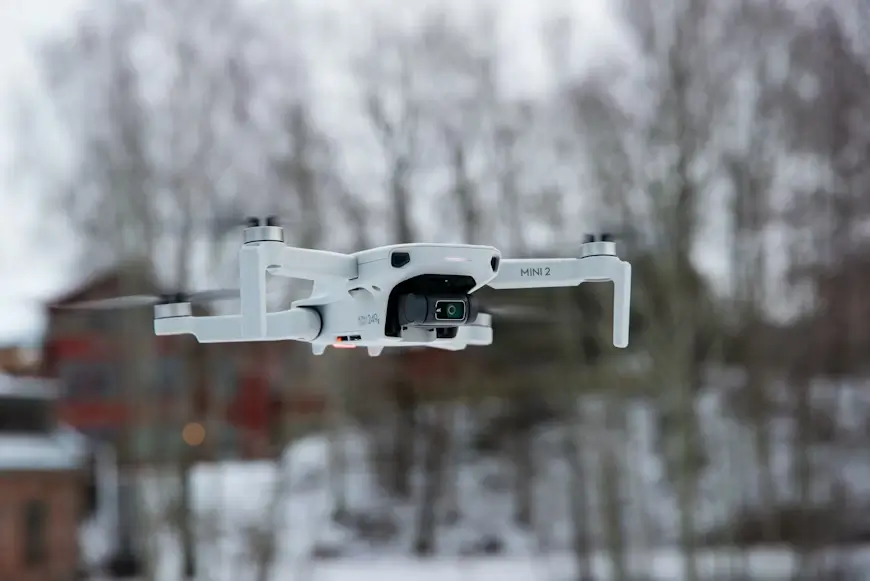
Drone technology has evolved dramatically over the past decade, shifting from a niche hobby to a transformative innovation impacting industries worldwide. These compact flying machines, equipped with advanced sensors, cameras, and autonomous systems, are reshaping how businesses operate, how information is collected, and even how entertainment is created. As drones continue to become more intelligent, affordable, and accessible, their practical uses keep expanding. This article explores the most powerful and fast-growing applications of drone technology and why they matter in our modern world.
Aerial Photography and Videography: A New Creative Frontier
One of the earliest and most popular uses of drones is aerial photography and videography. Before drone technology arrived, capturing sweeping landscape shots or high-angle video required helicopters, cranes, or expensive equipment. Today, even beginners can capture cinematic footage with small, user-friendly drones.
Drones are now widely used by:
- Real estate agents to showcase properties with dynamic aerial views
- Wedding videographers to create dramatic outdoor shots
- Film producers and YouTubers to capture creative angles
- Travel bloggers to document landscapes
- Tourism companies to promote destinations
Modern drones offer high-resolution 4K or even 8K cameras, powerful stabilization, and obstacle avoidance systems giving creators precise control and stunning results. This technology has democratized filmmaking and opened new artistic possibilities.
Agriculture and Farming: Smart Drones for Smart Farming
Agriculture is one of the biggest industries transformed by drone technology. Farmers today use drones to enhance efficiency, monitor crops, and make data-driven decisions. This is often called precision agriculture, and it dramatically reduces waste and increases yield.
Drones in farming help with:
- Crop monitoring: Capturing aerial images to detect diseases, pests, or poor soil conditions
- Irrigation management: Identifying dry patches or water-logged areas
- Spraying pesticides and fertilizers: Drones cover large areas quickly and evenly
- Livestock monitoring: Checking herds in remote fields
- Soil and field analysis: Using sensors to study land conditions
These capabilities help farmers save time, reduce labor, protect crops, and maximize production. As food demands rise globally, drone technology will remain a key solution for sustainable agriculture.
Disaster Management and Emergency Response
In emergency situations where every minute counts, drones offer speed, accuracy, and safety. They provide support to rescue teams by reaching areas that are dangerous or difficult for humans to access.
Key uses include:
- Search-and-rescue missions: Drones equipped with thermal cameras locate missing people in forests, mountains, or collapsed buildings
- Damage assessment: After earthquakes, floods, or storms, drones capture data to guide rescue operations
- Delivering medical supplies: In remote or disaster-hit areas, drones deliver medicines, vaccines, and essential items
- Firefighting assistance: Some drones detect heat sources, map fire spread, and help firefighters plan more effectively
Drones reduce human risk and dramatically increase the speed of response. In many countries, drones have already saved countless lives during natural disasters.
Delivery and Logistics: The Future of Fast Transport
One of the most exciting advancements in drone technology is drone delivery. Major companies worldwide are investing in autonomous drone fleets to revolutionize how goods are transported.
Drone delivery is used for:
- E-commerce orders
- Food delivery
- Medical supplies and laboratory samples
- Postal services in remote areas
Companies like Amazon, Walmart, UPS, and many startups are already testing drone deliveries that can reach customers in minutes. This reduces traffic, cuts fuel costs, and increases delivery speed.
In developing regions, drone delivery is especially powerful it brings essential medicines or vaccines to places that lack infrastructure, saving lives and improving healthcare access.
Construction, Mapping, and Infrastructure Inspection
Construction sites and infrastructure projects rely heavily on drone technology to improve accuracy, reduce risks, and speed up planning. Drones perform tasks that would traditionally require heavy equipment or dangerous manual labor.
They are used for:
- Land surveying and mapping using 3D imaging
- Monitoring construction progress
- Inspecting bridges, towers, pipelines, and power lines
- Detecting structural weaknesses
- Creating digital twins for engineering projects
Drones collect detailed, high-resolution images that help engineers make precise measurements. This saves time and reduces project costs while improving safety.
Environmental Monitoring and Wildlife Conservation
Drones play a vital role in protecting the environment and supporting conservation efforts. Their ability to access remote or sensitive ecosystems makes them perfect tools for scientific observation.
Important uses include:
- Tracking endangered animals
- Monitoring forests and detecting illegal logging
- Surveying oceans, rivers, and lakes
- Studying climate change impact
- Planting seeds in deforested areas
Environmental organizations use drones to gather data without disturbing wildlife. Some specialized drones even help reforest large areas by dropping seed pods into the soil.
Military and Defense Applications
Drone technology originally gained popularity in defense. Modern militaries use drones for surveillance, border monitoring, and sometimes tactical missions. Although this area is advanced and highly controlled, it has driven many innovations that later became available in commercial drones.
Entertainment, Sports, and Events
Drones add excitement to entertainment and live events. They are used for:
- Drone light shows
- Sports filming and analysis
- Live event coverage
- Interactive gaming experiences
Drone light shows, in particular, are becoming popular alternatives to fireworks, offering colorful, safe, and eco-friendly displays.
You might also like: The Future Is Here: Exploring New Futuristic Technology Devices of 2025
Conclusion
Drone technology is no longer limited to photography or hobby flying. It is transforming industries across the globe agriculture, medicine, construction, logistics, conservation, and entertainment. As drones become smarter and more autonomous, their role in everyday life will continue to expand. The future of drones promises faster deliveries, safer inspections, advanced rescue operations, and new creative possibilities. Drone technology is not just a modern innovation it is a powerful tool shaping the future of how we work, create, and connect.